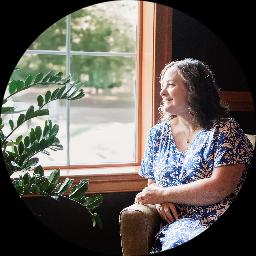
Amanda Caffey, LCSW
Supportive LCSW for life transitions
Opens BetterHelp in a new tab, where you can review online therapy options.
- Client-centered care
- Practical strategies
- Midlife transition focus
About Amanda
She uses a mix of methods tailored to each person’s needs. That means sessions may include listening closely, identifying unhelpful thinking patterns, and working toward practical steps people can try between meetings. Amanda creates a calm space where thoughts and feelings can be discussed without judgment.
Her background includes work across the lifespan, supporting people facing caregiver stress, aging and geriatric issues, chronic illness and pain, and end-of-life matters. She also helps with relationship concerns like communication problems, attachment issues, divorce and separation, and struggles with guilt or shame. These areas often connect with broader questions about life purpose and transitions such as a midlife crisis.
Amanda blends client-centered, cognitive behavioral, psychodynamic, and solution-focused ideas to fit each person’s goals. She talks through what’s most pressing, then shapes sessions around manageable steps toward change. Progress is practical and paced to the individual.
If someone is ready to explore changes, Amanda offers support and guidance aimed at clearer thinking and steadier coping. She encourages people to take small steps and build on what works for them.
Areas of expertise
Primary focus
Also works with
Additional focus areas
Therapeutic approaches
Experience
5+ years
Credentials
Wyoming, Virginia
Languages
English
How therapy approaches shape online care
Amanda draws on Client-Centered Therapy and Cognitive Behavioral Therapy to guide sessions. Client-Centered Therapy focuses on listening and understanding the person’s experience, helping people feel heard while they talk through choices. Cognitive Behavioral Therapy looks at how thoughts, feelings, and actions link together and offers concrete tools for changing patterns that fuel anxiety or low mood.Finding the right approach is part of the work together. Amanda will discuss goals, try methods that fit the person’s needs, and adjust the plan based on what helps most. That means therapy is collaborative and changes as progress is made.
Practical benefits of online therapy include fitting sessions into a busy schedule and reducing travel time so check-ins can happen alongside work or caregiving responsibilities. Because session formats are not listed here, confirm what specific options are offered before booking. The focus is on making therapy workable for everyday life and on building skills that carry over between meetings.
Frequently asked questions
What concerns does Amanda commonly address?
She helps people with stress, anxiety, grief, depression, ADHD, parenting worries, and coping with major life changes including midlife transitions.
How would you describe her therapy style?
Amanda uses an eclectic, client-centered approach that blends listening with practical problem-solving and reflection on life patterns.
What experience does she bring?
She has five years of professional experience working with people across the lifespan on issues like caregiving, chronic illness, and relationship challenges.
What are her credentials and where is she based?
She holds the LCSW credential and practices in Wyoming with licensure noted for Wyoming and Virginia.
Which languages are supported for sessions?
Sessions are offered in English.
Can people outside the U.S. work with her?
International clients are not currently accepted; therapy is offered to clients within the regions she is licensed to serve.
How is cost handled?
Cost varies with location and therapist availability and sessions use a subscription that can be canceled at any time.
How do I get started with Amanda?
Click the Start Therapy button, complete a short matching questionnaire, and schedule sessions according to the therapist's availability.