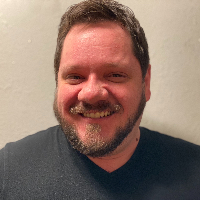
Brandon Bunker, LCMHC, LPC
Gentle, practical therapy for life transitions
Opens BetterHelp in a new tab, where you can review online therapy options.
- Affirming and direct
- Focus on relationships
- Practical coping skills
About Brandon
He draws on eleven years of experience to help people work through trauma, addiction, and problems with intimacy or family ties. He pays attention to attachment and connection, and he helps clients name patterns that cause pain. Sessions often center on improving communication, building self-esteem, and finding clearer goals for work and relationships.
Brandon uses a mix of therapeutic methods to fit each person. He often leans on Acceptance and Commitment Therapy and cognitive behavioral ideas to shift unhelpful patterns. He also brings attachment-focused work and emotionally-focused methods when relationships and closeness are the main issues.
A client-centered stance guides his style. That means sessions are paced to the person, and practical steps are offered alongside emotional exploration. Brandon supports people from diverse backgrounds and LGBTQ clients, listening without judgment as they sort through life transitions.
People choose him when they need help coping with big changes, recovering from past hurts, or rethinking priorities. He encourages steady progress and practical skills so daily life feels more manageable. To start, readers should confirm current session options before booking.
Areas of expertise
Primary focus
Also works with
Additional focus areas
Therapeutic approaches
Experience
11+ years
Credentials
Utah, Virginia
Languages
English
Approaches that translate to online work
Acceptance and Commitment Therapy, or ACT, helps people notice difficult thoughts and feelings without being driven by them. It focuses on values-based actions so someone can move toward what matters despite hard emotions. Cognitive Behavioral Therapy, or CBT, breaks larger problems into smaller parts by looking at thoughts, behaviors, and habits to create practical, testable changes. Attachment-Based Therapy looks at relationship patterns that were formed early and how they show up now, helping people change how they connect with others.Finding the right approach is part of the work. The therapist will discuss goals and preferences, then try methods that fit the client's situation. That collaborative process means approaches can shift over time based on what helps most.
Confirm the therapist's current session options before booking, since the biography does not specify formats. Online work can make it easier to fit appointments into a busy week, shorten check-ins, or reduce travel time. It also means therapy tools like values exercises, communication practice, and tracking habits can be used between sessions to support steady progress.
Frequently asked questions
What concerns does Brandon commonly address?
He works with stress, anxiety, depression, trauma and abuse, addictions, relationship and intimacy issues, parenting and family concerns, and midlife transitions.
How would you describe his therapeutic style?
His style is client-centered and collaborative, combining practical skill-building with emotional exploration. Sessions are paced to each person's needs.
What kind of experience does he have?
He brings eleven years of clinical experience supporting people through trauma, addiction, identity questions, and major life changes.
Which credentials and location apply to his practice?
He holds LCMHC and LPC credentials and practices in Utah.
Which languages are offered and are international clients accepted?
Sessions are offered in English and international clients are not currently accepted.
What session formats are available?
Please confirm the current session format options directly before booking, as formats are not specified in the biography.
How is cost handled for sessions?
Cost varies with location and therapist availability; sessions use a subscription that can be canceled at any time.
How does someone begin working with him?
Use the Start Therapy button, complete a short matching questionnaire, and schedule according to the therapist's availability.