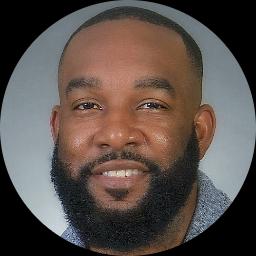
Dr. Brandon Lowe, LCMHC
A steady guide through life transitions
Opens BetterHelp in a new tab, where you can review online therapy options.
- Practical coping strategies
- Respectful listening
- Focus on motivation
About Brandon
He frames sessions around respectful, straightforward conversation. He listens for what matters most and adjusts the discussion to match each person's needs. Sessions focus on practical ways to cope, regain confidence, and move through difficult transitions such as midlife changes.
Over nearly two decades he has worked with a wide set of concerns including relationship and family-of-origin issues, chronic illness and pain, substance use, eating-related problems, and grief after separation or divorce. That background informs how he notices patterns and offers options that fit daily life.
Dr. Lowe draws on several therapeutic styles to shape care. He uses client-centered methods to follow the client's priorities, cognitive behavioral techniques to address thoughts and behaviors, and motivational interviewing to support change. He also incorporates elements of dialectical behavior therapy and psychodynamic thinking when these fit the goals.
He is committed to treating people with sensitivity and compassion while tailoring plans to individual goals. To begin, readers can use the Start Therapy process to match and schedule according to the listed steps.
Areas of expertise
Primary focus
Additional focus areas
Therapeutic approaches
Experience
18+ years
Credentials
North Carolina
Languages
English
How therapeutic methods shape online care
Client-centered therapy focuses on listening and following the client's priorities. It helps when someone needs space to name goals and feel heard before deciding on change. Cognitive behavioral therapy (CBT) looks at how thoughts and behaviors are linked and offers concrete exercises to change unhelpful patterns. It is often useful for anxiety, stress, and many everyday struggles. Dialectical behavior therapy (DBT) brings practical skills for managing intense emotions and improving how people handle conflict or distress.Finding the right approach is part of the work. He will talk with each person about their goals and preferences and then try methods that fit. That process is collaborative and can shift over time as goals and needs change.
Confirm the available session options before booking, as formats are not specified in the biography. Online therapy can make it easier to fit sessions into a busy life by reducing travel time, allowing shorter check-ins when needed, and making appointments possible from different locations. These practical benefits can help people keep therapy regular while they work on stress, motivation, addiction concerns, or major life changes.
Frequently asked questions
What kinds of problems does this therapist help with?
He works with stress, anxiety, addictions, trauma and abuse, self-esteem struggles, and coping with life changes including midlife transitions.
What is the therapist's general approach in sessions?
The approach is collaborative and practical, using client-centered conversation to set priorities and drawing on techniques to change unhelpful thoughts and habits.
How much clinical experience does he have?
He has 18 years of professional experience working with a broad range of concerns and life challenges.
What credentials does the therapist hold and where is he based?
He holds the LCMHC credential and practices in North Carolina.
Which languages are available for sessions?
Sessions are offered in English.
Can international clients work with this therapist?
He is not currently accepting international clients.
How is pricing handled for sessions?
Cost varies with location and therapist availability; sessions use a subscription that can be canceled at any time.
What are the next steps to begin working together?
Use the Start Therapy button, complete a short matching questionnaire, and schedule according to the therapist's availability.