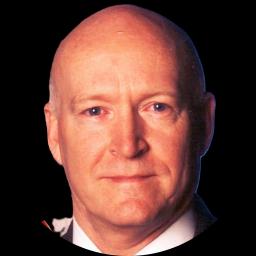
Charles Austin, LCSW
Experienced LCSW guiding life transitions
Opens BetterHelp in a new tab, where you can review online therapy options.
- 35 years experience
- Works with addictions
- Focus on midlife
About Charles
He helps people facing addictions, stress, anxiety, trauma and abuse, and depression. He also supports those coping with major life changes and values clarification. Midlife crisis is one of the concerns he lists among his focus areas.
In sessions he aims to build an open, nonjudgmental space for talking through difficult feelings. He draws on his own recovery experience when offering encouragement. Conversations focus on practical steps and clearer choices rather than complex jargon.
His background includes directing rehab services, so he understands both clinical and program-level perspectives. That history informs how he structures care and helps people set achievable goals. He blends talk-based methods with tools that address behavior and thought patterns.
Clients can expect a collaborative style that balances listening with gentle challenge. The work often includes clarifying values, addressing addictive behaviors, and managing anxiety or trauma symptoms. He emphasizes steady progress toward greater life satisfaction and toward the personal goals people bring to therapy.
Areas of expertise
Primary focus
Additional focus areas
Therapeutic approaches
Experience
35+ years
Credentials
New Mexico, Texas
Languages
English
Therapeutic approaches and remote care
Charles uses Client-Centered Therapy to prioritize each person’s perspective and goals, focusing on listening and supporting self-directed change. Cognitive Behavioral Therapy (CBT) is used to identify unhelpful thought patterns and develop concrete skills for managing anxiety, depression, and addictive behaviors. Eye Movement Desensitization and Reprocessing (EMDR) may be part of work with trauma, offering a structured way to process distressing memories.Choosing the right approach is a shared process. The therapist will discuss goals, preferences, and what feels most helpful in early sessions. Together they decide which methods to try and adjust the plan as progress is made.
Session format details are not specified here, so confirm current options before booking. Online work can make it easier to fit therapy into a busy schedule, shorten commute time, and allow check-ins between other obligations. Some formats also permit a shorter phone or video check-in when a full session is difficult. Licensed professionals can adapt these approaches for remote sessions while helping people manage stress, addiction issues, and major life transitions.
Frequently asked questions
What concerns does he address?
He works with stress, anxiety, addictions, trauma and abuse, depression, and coping with life changes. Additional focuses include codependency, guilt, isolation, life purpose, and midlife crisis.
What is his therapy style like?
His approach is collaborative and down-to-earth, creating a nonjudgmental space to talk. Sessions mix listening with practical steps to change thoughts and behaviors.
How much experience does he have?
He has 35 years of professional experience, including developing and directing outpatient and inpatient rehab programs before moving into private practice.
Where is he licensed and located?
He holds LCSW credentials in Texas and New Mexico and maintains a private practice in Santa Fe, New Mexico.
Which languages are supported?
Sessions are offered in English.
Can people outside the U.S. schedule sessions?
He does not accept international clients at this time.
How are fees and payment handled?
Cost varies with location and therapist availability, and sessions use a subscription that can be canceled at any time.
How do I begin if I want to work with him?
Click the Start Therapy button, complete a short matching questionnaire, and then schedule according to therapist availability.