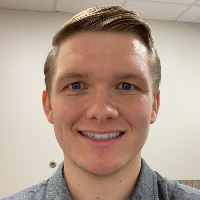
Christopher McKethan, LISW
Practical, person-focused therapy for life transitions
Opens BetterHelp in a new tab, where you can review online therapy options.
- Values-based work
- Relationship focus
- Stress and anxiety
About Christopher
Areas of expertise
Primary focus
Also works with
Additional focus areas
Therapeutic approaches
Experience
5+ years
Credentials
South Carolina
Languages
English
Approaches that translate well to online work
Acceptance and Commitment Therapy (ACT) focuses on helping people clarify what matters to them and take small committed steps toward those values. It helps with anxiety, stress, life transitions, and decision-making by encouraging practical experiments and new behaviors. Cognitive Behavioral Therapy (CBT) breaks problems into thoughts, feelings, and actions and uses practical exercises to change unhelpful patterns. CBT is useful for depression, anxiety, and coping with life changes. Client-Centered Therapy emphasizes understanding and validation from the therapist so people can explore identity, self-esteem, and relationship concerns at their own pace.Finding the right approach is part of the work. The therapist will collaborate with each person to choose which methods to use based on goals, preferences, and what seems to help in early sessions. That collaborative process helps tailor tools and homework to everyday life.
Online therapy can make it easier to fit sessions into a busy schedule and to keep consistent momentum between appointments. Because session formats are not listed here, confirm current options before booking. The focus is on practical benefits: scheduling that matches work or caregiving demands, shorter check-ins when needed, and the ability to continue work when travel or relocation occurs. Licensed professionals can use the same ACT, CBT, and client-centered techniques effectively through remote sessions when the approach fits the person's needs.
Frequently asked questions
What kinds of problems does he help with?
He helps people facing stress, anxiety, depression, trauma, relationship and intimacy issues, identity questions including LGBT concerns, career or life transitions, grief, and ADHD related challenges.
What is his therapeutic style like?
His style is interactive and client-centered, combining acceptance and commitment ideas, cognitive behavioral tools, mindfulness, and emotionally-focused methods to match the person's goals.
What experience does he bring to sessions?
He has five years of clinical experience and coordinates an intensive community mental health clinic serving people with severe and persistent mental illness.
Where is he licensed and based?
He is a Licensed Independent Social Worker (LISW) in South Carolina and completed graduate study at the University of South Carolina in 2016.
Which languages are supported?
Sessions are offered in English.
Can people outside the U.S. work with him?
International clients are accepted; confirm any regional details when scheduling.
How are costs and billing handled?
Costs vary by location and therapist availability, and sessions use a subscription that can be canceled at any time.
How do I begin working with him?
Use the Start Therapy button, complete a short matching questionnaire, and schedule according to the therapist's availability.