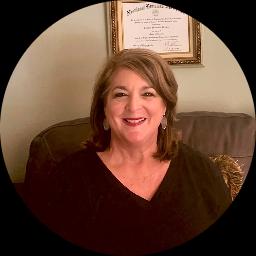
Cynthia Montcalm, LMFT, LPC
Experienced counselor guiding practical life changes
Opens BetterHelp in a new tab, where you can review online therapy options.
- Focus on coping skills
- Goal-oriented sessions
- Warm collaborative style
About Cynthia
She listens first and then helps people set clear, manageable goals. Cynthia uses approaches such as cognitive behavioral methods and dialectical behavior ideas to teach skills for managing emotions and changing unhelpful patterns. She also draws on client-centered and existential perspectives to help people find meaning and clearer direction.
Her style is straightforward and warm. Sessions typically combine practical skill-building with time to talk about what matters most to the person. Cynthia pays attention to relationship and family patterns when those issues affect daily life and mood.
People come to her for a range of concerns including grief, trauma, intimacy-related issues, parenting strain, career stress, and attention-related challenges like ADHD. She also supports those facing aging and caregiver stress or complicated family-of-origin dynamics.
With 24 years of experience, Cynthia aims to make therapy useful and doable. She helps people identify small steps that add up to real change. The work is collaborative and paced to each person’s needs.
Areas of expertise
Primary focus
Also works with
Additional focus areas
Therapeutic approaches
Experience
24+ years
Credentials
Louisiana, Louisiana
Languages
English
How therapeutic approaches shape online work
Client-centered therapy starts by focusing on the person’s experience and values. It helps people feel heard and guides the pace of change based on what matters to them. Cognitive behavioral therapy, or CBT, looks at the links between thoughts, feelings, and actions and teaches tools to shift unhelpful patterns and manage symptoms such as anxiety or low mood. Dialectical behavior therapy, or DBT, emphasizes emotional regulation and skills for tolerating distress and improving communication.Deciding which approach to use is a collaborative process. The therapist will talk with the person about goals, preferences, and what has or hasn’t helped before. Then together they pick methods and exercises that fit the person’s life and challenges rather than one fixed model.
If you are considering online therapy, confirm the session options before booking since formats are not specified here. Online work can make it easier to fit sessions into a busy schedule, allow shorter check-ins when needed, and reduce travel time. For some people, doing skills practice and homework between sessions is simpler when therapy fits into their regular routine. Licensed professionals can adapt these approaches to remote conversations so that sessions focus on practical steps and real-life problems.
Frequently asked questions
What concerns does Cynthia address?
She works with stress, anxiety, depression, bipolar disorder, and life transitions, among other issues such as grief, trauma, parenting strain, relationship and family problems.
What is her therapy style like?
The approach is practical and person-focused, combining skill-building with open conversation to help people make manageable changes.
How much experience does she have?
She brings 24 years of clinical experience working with individuals and families on a wide range of concerns.
What credentials does she hold and where is she based?
She holds LMFT and LPC credentials and practices in Louisiana.
Which languages are supported?
Sessions are offered in English.
Does she accept clients outside the United States?
She does not accept international clients at this time.
How are fees and payment arranged?
Cost varies with location and therapist availability; sessions use a subscription that can be canceled at any time.
How do I begin working with her?
Select the Start Therapy button, complete a short matching questionnaire, and schedule according to therapist availability.