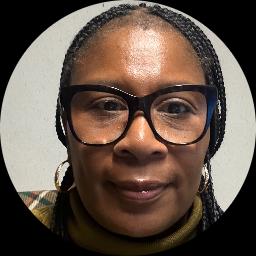
Dorothy Taylor, LCSW, CSW
Experienced LCSW for midlife transitions
Opens BetterHelp in a new tab, where you can review online therapy options.
- Person-centered care
- Culturally responsive
- Practical strategies
About Dorothy
She focuses on everyday problems that feel overwhelming. That includes coping with addiction, trauma and abuse, anger, and career stress. She also helps with family-related concerns such as communication problems, blended family issues, divorce and separation, and caregiver stress.
Dorothy draws on eleven years of clinical work. She offers a person-centered, collaborative approach that centers each individual’s identity and background. Sessions are aimed at helping people notice what matters, try new responses, and build practical skills for daily life.
She pays particular attention to attachment and abandonment concerns, codependency, commitment and control issues, and patterns linked to dependent or avoidant personality tendencies. She also supports people facing chronic illness, fertility challenges, and family of origin wounds.
Dorothy welcomes people from diverse backgrounds and accepts international clients. She uses culturally responsive practices and seeks to create an affirming space where people can talk through shame, isolation, and identity questions while working toward clearer goals and healthier relationships.
Areas of expertise
Primary focus
Also works with
Additional focus areas
Experience
11+ years
Credentials
Colorado, North Carolina, Virginia
Languages
English
How her approaches translate to online work
Evidence-based therapeutic techniques focus on practical change and understanding patterns. One common method is person-centered work that centers the client’s goals and experiences, helping people name what matters and try new responses to relational stress and life transitions. Another frequent element is skills-focused work that teaches breathing, communication, and coping strategies for anxiety, anger, and stress so people can use them between sessions.Finding the best approach is a collaborative process. The therapist and client review current concerns, goals, and preferences together and adjust methods as therapy progresses. That partnership helps match strategies to issues like midlife uncertainty, career shifts, or attachment wounds rather than assuming a single solution up front.
The practical benefits of online therapy often include easier scheduling around work or caregiving, shorter check-ins when needed, and fewer travel barriers. The original biography does not list specific session formats, so confirm the available options before booking. Many people find that remote sessions make it simpler to fit therapy into a busy day while still working toward clear goals.
Frequently asked questions
What concerns does Dorothy often address?
She works with stress, anxiety, depression, relationship and family challenges, addiction, trauma and abuse, anger, career strain, and coping with life changes. Additional focuses include attachment and abandonment issues, communication problems, and caregiver stress.
What is her therapeutic style like?
Her style is collaborative and person-centered. Sessions focus on practical steps, exploring patterns, and building skills that fit a client's everyday life.
How much clinical experience does she have?
She has eleven years of clinical experience working with a wide range of emotional and relational concerns.
What credentials and location are listed for this therapist?
She holds LCSW and CSW credentials and practices in North Carolina.
Which languages are supported and are international clients accepted?
Sessions are offered in English and she accepts international clients.
What session formats are offered?
The original biography does not specify session formats. Please confirm the current session options before booking.
How are fees handled for sessions?
Cost varies with location and therapist availability; sessions use a subscription that can be canceled at any time.
How do I begin working with Dorothy?
Use the Start Therapy button, complete a short matching questionnaire, and schedule according to therapist availability.