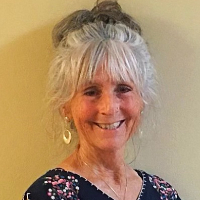
Elizabeth Chavez, LPCC
Practical, person-centered support for life changes
Opens BetterHelp in a new tab, where you can review online therapy options.
- 20 years experience
- Person-centered approach
- Focus on life transitions
About Elizabeth
Her work is grounded in a person-centered approach. Sessions are conversational and practical. She listens to each person's needs, strengths, fears, and goals before suggesting ways forward.
Elizabeth often helps people manage stress, anxiety, depression, and substance use. She also supports those coping with grief, life transitions, and midlife shifts. Her practice attends to issues around self-esteem, relationships, intimacy, and ADHD as well.
In the room she draws from cognitive behavioral methods to look at thoughts and behaviors. She also uses dialectical behavior strategies to teach emotional regulation skills. Mindfulness practices are woven in to help with calm, focus, and grounding.
Her background in higher-intensity settings informs a steady, clear style. She aims to provide tools that work in everyday life, not just during sessions. The plan always reflects what the person wants to change and what feels realistic for them.
People who prefer direct, practical support will find her approach useful. Her work is collaborative: she helps clients set goals and checks in on progress as they try new steps.
Areas of expertise
Primary focus
Also works with
Additional focus areas
Therapeutic approaches
Experience
20+ years
Credentials
New Mexico
Languages
English
How Elizabeth’s Approaches Work Online
Elizabeth uses client-centered methods that make the client’s goals central to every session. This approach focuses on listening first and shaping the work around what matters most to the person. It helps when someone needs practical problem solving and a plan they can use between sessions.Cognitive Behavioral Therapy, or CBT, looks at how thoughts, feelings, and behaviors connect. In short exercises clients learn to test unhelpful thoughts and try new behaviors that reduce anxiety or depressive symptoms. Dialectical Behavior Therapy, or DBT, teaches concrete skills for managing strong emotions and improving relationships, which can help with mood swings, anger, or impulsive behavior.
Choosing the right mix of methods is part of the work. Elizabeth will collaborate with each client to decide what to try first and adjust the approach as progress is seen. That teamwork helps match tools to the client’s goals and preferences.
Confirm the specific session formats before booking so you know what options are available. Online work can make it easier to fit therapy into a busy week, cut down on travel time, and allow shorter check-ins when needed. It also lets people practice skills in the settings where they live and work, then bring observations back to sessions for fine tuning.
Frequently asked questions
What concerns does she address?
She works with stress, anxiety, depression, substance use, grief, life transitions, and midlife concerns, plus related issues like self-esteem, relationship struggles, and ADHD.
How would you describe her therapeutic style?
Her style is person-centered and conversational. She aims to understand each person and use practical tools that fit their life.
What experience does she bring?
She has 20 years in the mental health field, including work in psychiatric hospitals, correctional settings, substance treatment centers, and community counseling centers.
What are her credentials and location?
She is an LPCC licensed in New Mexico and practices from that state.
Which languages are sessions offered in?
Sessions are offered in English.
Can international clients work with her?
International clients are not currently accepted.
How are sessions scheduled and what do they cost?
Cost varies with location and therapist availability and sessions use a subscription that can be canceled at any time.
How do I begin working with her?
Use the Start Therapy button, complete a short matching questionnaire, and schedule according to therapist availability.