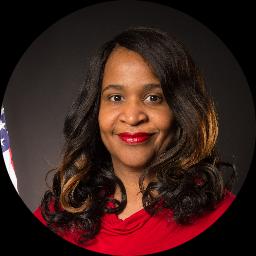
Fanita Jackson-Norman, LSCSW
Midlife guidance with practical steps
Opens BetterHelp in a new tab, where you can review online therapy options.
- Relationship focus
- Career and purpose
- Trauma-informed care
About Fanita
She offers practical guidance for people dealing with trauma, anger, low self-esteem, and compassion fatigue. She also supports those handling blended family matters, caregiver stress, commitment and communication problems, and issues around infidelity or divorce. Sessions typically look at immediate problems and next steps rather than only long-term theory.
Her work emphasizes cultural awareness and respect for each person’s life story. She helps clients clarify goals, practice new ways of communicating, and develop plans for change. Many clients explore life purpose and steps toward meaningful change during sessions.
Over a long career she has supported people with fatherhood issues, forgiveness and guilt concerns, and impulsivity challenges. She also responds to needs arising from natural or human-caused disasters and domestic violence, focusing on coping and safety planning when relevant.
Fanita combines practical coaching with therapeutic conversation so clients leave sessions with clear, doable steps. She works in English and practices in Maryland as an LSCSW.
Areas of expertise
Primary focus
Also works with
Additional focus areas
Experience
25+ years
Credentials
Maryland
Languages
English
Approaches that guide online work and goal setting
Fanita uses evidence-based therapeutic techniques that focus on practical change and clearer thinking. One common approach she uses helps people identify specific problems, set short-term goals, and try concrete steps between sessions; this is useful for stress, career decisions, and relationship communication. Another approach centers on processing difficult experiences and building coping skills, which can help with trauma, anger, and anxiety.Deciding which approach fits best is part of the work. The therapist and client review problems, goals, and preferences together and adjust methods as needed. This collaborative process helps shape a plan that fits the person’s life and priorities.
If you are considering online sessions, confirm the current session formats before booking so you know what is offered. Online work can make it easier to fit therapy into a busy week, reduce travel time, and allow for shorter check-ins when schedules are tight. It also lets people attend from locations that are more convenient, which can help keep progress steady without rearranging an entire day.
Frequently asked questions
What kinds of concerns does she help with?
She supports people with relationship and intimacy issues, career transitions, midlife changes, anxiety, stress, family problems, trauma and abuse, anger, and self-esteem struggles.
How would you describe her therapeutic style?
Her approach is practical and person-centered, combining coaching and therapy to identify goals and steps clients can try between sessions.
How much experience does she have?
She has 25 years of clinical experience working with a range of relational and life-transition concerns.
What are her credentials and where does she practice?
She is an LSCSW licensed in Maryland and practices there.
Which languages are available for sessions?
Sessions are offered in English.
Can people outside the United States work with her?
She is not currently accepting international clients.
How are session fees handled?
Cost varies with location and therapist availability, and sessions use a subscription that can be canceled at any time.
What are the steps to begin therapy?
Use the Start Therapy button, complete a short matching questionnaire, and schedule according to the therapist's availability.