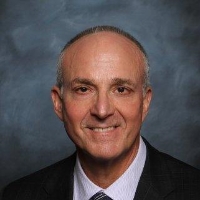
Dr. Fredric Richmond, PA Psychologist PS005061L
Experienced psychologist focusing on practical coping
Opens BetterHelp in a new tab, where you can review online therapy options.
About Fredric
He trained at Temple University and the University of Michigan and uses the credential PA Psychologist PS005061L. Over decades in inpatient and outpatient settings he has worked with adults who had complex emotional and behavioral needs. That background shapes a practical way of working in sessions.
Dr. Richmond combines client-centered listening with cognitive behavioral methods. He starts by asking what matters most to the person in front of him, then helps identify patterns of thought and behavior that keep problems in place. Together they develop concrete strategies to reduce immediate distress and build more useful habits over time.
Sessions focus on clear goals and usable tools. Expect to talk through current struggles, try small experiments between sessions, and get regular feedback on what helps. He also brings in techniques from mindfulness and motivational interviewing when they fit the person's goals.
The emphasis is on collaboration and steady progress. People looking for help with grief, trauma, parenting stress, career questions, ADHD-related struggles, or intimacy and self-esteem issues will find a practical orientation and years of experience to draw on.
Areas of expertise
Primary focus
Also works with
Additional focus areas
Therapeutic approaches
Experience
43+ years
Credentials
Pennsylvania
Languages
English
Approaches that translate to online work
Client-centered therapy focuses on listening and responding to what the person says. It helps people feel understood and clarifies what they want to change. Cognitive Behavioral Therapy (CBT) looks at thought and behavior patterns and offers concrete exercises to shift them, which can help with anxiety, depression, and midlife stress.Choosing the right approach is a collaborative process. The therapist will ask about goals, daily routines, and what has or hasn't helped before. Together they will try methods that fit the person's needs and adjust direction as progress is tracked.
The biography does not list which online session formats are offered, so confirm current options before booking. Online work can make it easier to fit sessions into a busy week, reduce travel time, and allow focused check-ins between other commitments. Some approaches used by Dr. Richmond lend themselves to short skills practice or structured worksheets that fit well into remote sessions, while others unfold over regular conversation and reflection.
Frequently asked questions
What kinds of problems does Dr. Richmond address?
He supports people with stress, anxiety, depression, addictions, relationship and intimacy issues, grief, trauma, parenting strain, career concerns, ADHD, and many midlife challenges.
How would you describe his style and approach?
He listens first and combines client-centered listening with cognitive behavioral techniques to create practical, goal-focused plans.
How long has he been practicing?
He has 43 years of experience working in both inpatient and outpatient settings with adults who had complex emotional and behavioral needs.
What are his credentials and where does he practice?
He is a PA Psychologist with the registration PS005061L and practices in Pennsylvania.
Does he work in other languages or with international clients?
Sessions are offered in English and he does accept international clients.
What session formats are offered?
The original biography does not list specific session formats; please confirm current session options before booking.
How much does therapy with him cost?
Cost varies with location and therapist availability; sessions use a subscription that can be canceled at any time.
How do I begin working with him?
Click the Start Therapy button, complete a short matching questionnaire, and schedule according to the therapist's availability.