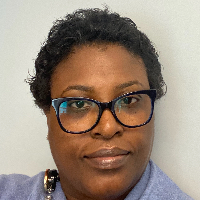
Gwendolyn Sanders, LCSW
Calm, person-focused therapy for life transitions
Opens BetterHelp in a new tab, where you can review online therapy options.
- Client-centered approach
- Focus on relationships
- Support for grief
About Gwendolyn
Her approach centers on the person in front of her. She uses client-centered methods to listen and respond to each person's priorities. She also draws on cognitive behavioral techniques to help people notice unhelpful thoughts and try different ways of coping.
She has worked with caregivers, people facing aging and geriatric issues, and those dealing with cancer or hospice concerns. Adoption and foster care, blended family issues, and the stresses of caregiving are also part of her experience. Life transitions such as divorce, separation, and questions about life purpose are included in her practice.
Sessions aim to be practical and aimed at real problems. Conversations can cover communication skills, codependency, commitment questions, and managing isolation or loneliness. She also supports people coping with disasters, co-morbid health issues, and the layered strain of caregiving.
Gwendolyn practices in Mississippi and holds an MS and LCSW credential. She works collaboratively to set goals and adjust methods as needs change. Her style is calm and approachable, with attention to the situations that matter most to each person.
Areas of expertise
Primary focus
Also works with
Additional focus areas
Therapeutic approaches
Experience
20+ years
Credentials
Louisiana, Mississippi
Languages
English
How her approaches guide online work
Client-Centered Therapy puts the person's goals first and emphasizes listening and collaboration. It helps when someone needs support shaping their own path through grief, relationship change, or life transitions.Cognitive Behavioral Therapy (CBT) focuses on identifying thoughts and behaviors that keep problems in place and trying practical changes. It is useful for anxiety, depression, stress, and everyday coping skills.
Motivational Interviewing helps people clarify what they want to change and build motivation to take steps forward. This approach can be helpful with commitment issues, caregiving plans, or making tough life choices.
Choosing the right approach is part of the work. The therapist will discuss goals, preferences, and what feels most helpful, then adjust methods together over time. That collaborative process helps match techniques to each person's needs.
Session logistics should be confirmed before booking, since current session formats are not listed here. Online therapy can make it easier to fit sessions into a busy week, shorten check-ins when needed, or avoid travel time. Those practical benefits often help people keep therapy consistent while working on relationship, grief, or midlife concerns.
Frequently asked questions
What kinds of concerns does she help with?
She helps people with relationship and family concerns, grief and loss, parenting strain, intimacy-related issues, stress, anxiety, and depression, among other life transitions.
How would you describe her therapy style?
Her style is relaxed and inviting, focusing on the person's needs and goals and adapting methods to fit each situation.
What is her professional background?
She has over 20 years of experience working with caregivers, veterans, people facing aging or hospice issues, and those navigating relationship and employment challenges.
What credentials and location are listed?
She holds an MS and is a Licensed Clinical Social Worker (LCSW) practicing in Mississippi.
Which languages are supported for sessions?
Sessions are offered in English.
Can people outside the country work with her?
International clients are not currently accepted.
How are sessions paid for?
Cost varies with location and therapist availability; sessions use a subscription that can be canceled at any time.
How do I begin therapy with her?
Click the Start Therapy button, complete the short matching questionnaire, and then schedule according to therapist availability.