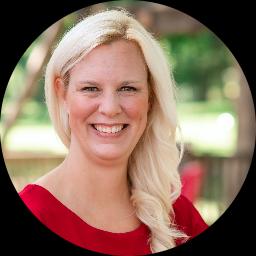
Jacqueline Rafter, LCSW, LMSW
Compassionate, direct support for life transitions
Opens BetterHelp in a new tab, where you can review online therapy options.
- Trauma recovery
- Relationship clarity
- Practical skills
About Jacqueline
Her style is warm and direct. She aims to be non-judgmental and empowering while teaching concrete skills to manage anxiety, anger, ADHD symptoms, and low self-esteem. Jacqueline adapts sessions to each person, shaping the plan to fit their needs and goals.
Jacqueline commonly works with people who have had physical, emotional, or sexual trauma. She combines eye movement desensitization and reprocessing, cognitive behavioral techniques, and inner child healing work to address painful memories and current coping patterns. Sessions often focus on reducing distress and building tools for everyday life.
She also helps with relationship problems, intimacy concerns, and communication struggles. When relevant, she draws on relationship-focused methods to support clearer interaction and healthier boundaries. Coaching elements are used when clients want goal-focused progress, such as career transitions or parenting strategies.
Jacqueline is licensed in Michigan, Indiana, and California and keeps weekday hours that vary by time zone. She asks people to pay attention to appointment times across zones when scheduling. People who are ready to begin are encouraged to take the first step toward change.
Areas of expertise
Primary focus
Also works with
Additional focus areas
Therapeutic approaches
Experience
10+ years
Credentials
Michigan, Indiana, California
Languages
English
How therapeutic approaches guide online work
Attachment-Based Therapy centers on how early relationships shape current patterns. It helps people notice connection styles, understand emotional triggers, and practice new ways of relating. Cognitive Behavioral Therapy focuses on the links between thoughts, feelings, and actions. It teaches practical techniques for reducing anxiety, managing anger, and changing unhelpful behavior.Choosing the best approach is part of the process. The therapist will work together with each person to pick methods that match their goals and comfort. That collaborative planning includes checking what feels useful and adjusting tools as progress is made.
Because session formats are not specified here, please confirm available options before booking. Online work can make it easier to fit sessions into a busy week, shorten commuting time, and allow check-ins during a workday break. It also lets people use video or phone choices based on what feels most manageable for them. Licensed professionals can adapt these approaches to remote sessions while focusing on skill building, trauma processing, and improving relationships.
Frequently asked questions
What concerns does Jacqueline help with?
She supports people facing trauma, relationship and intimacy struggles, anxiety, ADHD, anger, parenting stress, career changes, and coping with major life transitions.
What is her therapeutic style like?
Her approach is warm, non-judgmental, direct, and interactive. She focuses on teaching skills while also addressing deeper patterns.
How much clinical experience does she have?
She has ten years of experience working with a variety of concerns including trauma, abuse, and relationship difficulties.
Where is she based and what licenses does she hold?
She is based in Michigan and holds LCSW and LMSW credentials, with licensure noted in Michigan, Indiana, and California.
Which languages are supported for sessions?
Sessions are offered in English.
Can people outside the U.S. work with her?
International clients are not currently accepted.
How are fees and payment handled?
Cost varies with location and therapist availability; sessions use a subscription that can be canceled at any time.
What are the steps to begin therapy?
Click the Start Therapy button, complete a short matching questionnaire, and schedule according to the therapist's availability.