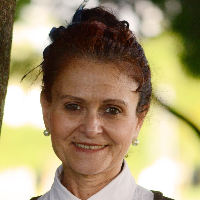
Dr. Jean Frank, LMHC
Experienced counselor for life transitions
Opens BetterHelp in a new tab, where you can review online therapy options.
- Midlife concerns
- Practical coping skills
- English and Portuguese
About Jean
She uses a mix of therapy methods rather than a single formula. Sessions center on building coping skills, finding practical ways to resolve conflict, and supporting people through transitions or personal crisis. Conversations are direct and down-to-earth, with an emphasis on what helps in daily life.
Her background includes a Doctorate in Biology from Universidade de Brasília, a Master of Science in Psychology from Southern Illinois University at Edwardsville, and prior study as a psychologist at Pontifical Catholic University of Rio de Janeiro. She holds the Florida Licensed Mental Health Counselor credential, LMHC.
Dr. Frank has worked with people facing trauma, substance and alcohol concerns, anxiety, depression, brain-related behavioral or cognitive challenges, and adjustment to major life or career changes. She reports additional focus on caregiving stress, chronic illness, body image, attachment and abandonment concerns, and first responder issues.
She describes her online sessions as empathic and non-judgmental and says she avoids steering clients toward any religion, belief system, or political view. If someone is unsure about starting therapy, she offers help deciding if counseling is a good next step.
Areas of expertise
Primary focus
Also works with
Additional focus areas
Therapeutic approaches
Experience
20+ years
Credentials
Florida
Languages
English, Portuguese
Approaches That Shape Online Work
Acceptance and Commitment Therapy (ACT) focuses on helping people notice painful thoughts and feelings while committing to actions that match their values. It can be useful for stress, anxiety, and decisions during life transitions. Cognitive Behavioral Therapy (CBT) looks at how thoughts, feelings, and behaviors interact and teaches practical strategies to change unhelpful patterns. CBT is often used for anxiety, depression, and coping skills training. Eye Movement Desensitization and Reprocessing (EMDR) is aimed at processing traumatic memories to reduce distress linked to those memories and can be part of work after trauma or abuse.Finding the right approach is part of the therapeutic work. The therapist will talk with each person about goals, preferences, and what feels most helpful. Together they decide which methods to try and adjust the plan as needs change.
Online therapy can make it easier to fit counseling into a busy schedule. Many people find remote sessions cut travel time, allow quicker check-ins, and let them keep continuity through life changes. Session options are not listed in the biography, so confirm current formats before booking to know what is available. The therapist draws on the noted approaches to adapt exercises and skills for remote sessions so they fit everyday life and specific concerns.
Frequently asked questions
What concerns does she focus on?
Dr. Frank works with stress, anxiety, depression, trauma and abuse, addictions, grief, ADHD, eating concerns, bipolar disorder, and coping with life changes among other issues.
How would you describe her therapy style?
She uses a blend of approaches and keeps sessions practical. The emphasis is on skill building, problem solving, and support through transitions.
What is her professional background?
She has 20 years of experience across private practice, corrections, schools, hospitals, and mental health centers.
What credentials and where is she located?
She holds the Florida LMHC credential and is based in Florida.
Which languages are available for sessions?
Sessions are offered in English and Portuguese.
Can people outside the United States work with her?
She does not accept international clients at this time.
How does payment and cost work?
Cost varies with location and therapist availability; sessions use a subscription that can be canceled at any time.
What is the first step to begin therapy?
Click the Start Therapy button, complete a short matching questionnaire, and schedule according to the therapist's availability.