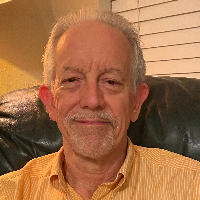
John Crusius, LPC
Life changes, coping, and purpose-focused help
Opens BetterHelp in a new tab, where you can review online therapy options.
- Midlife transition support
- Practical goal work
- Mindfulness and values
About John
He blends practical, person-focused methods. Sessions often center on what a person wants to change and how to get there. He listens closely and adjusts the plan to fit each person's needs rather than using one fixed approach.
John uses tools from cognitive behavioral work, client-centered therapy, solution-focused methods, and mindfulness practices. He often incorporates motivational techniques to help people move from thinking about change to taking action. Meditation and simple mindfulness exercises are used when a client is interested.
Many people come with losses, career shifts, or relationship strain. John also supports someone dealing with trauma, substance use, ADHD, or problems with sleep and self-worth. He pays attention to practical steps alongside meaning and values work when life feels empty or stalled.
He describes his own midlife career change as part of why he chose counseling. That experience shapes a straightforward, empathetic style that aims to help people find purpose and clearer direction. To begin, clients use the site’s matching flow to connect and schedule a time to talk.
Areas of expertise
Primary focus
Also works with
Additional focus areas
Therapeutic approaches
Experience
12+ years
Credentials
Texas
Languages
English
How these approaches guide online work
Client-centered work focuses on the person's own goals and perspective. It emphasizes listening, empathy, and helping someone find their own answers when life feels uncertain. This approach is useful for people searching for purpose or dealing with identity shifts.Cognitive behavioral work looks at the links between thoughts, feelings, and actions. It uses clear, practical exercises to change unhelpful patterns and is often used for anxiety, depression, and stress. Mindfulness techniques teach basic awareness and breathing or attention practices that can reduce rumination and improve focus.
Finding the right mix is part of therapy. The therapist will work together with each person to decide which methods fit their goals, needs, and preferences. That collaborative process usually includes short check-ins to adjust the plan as progress is made.
The biography does not list specific online formats, so confirm available session options before booking. Online work can make it easier to fit sessions into a busy schedule, reduce travel time, and allow shorter check-ins when needed. Licensed professionals can use a combination of conversation, workbook-style exercises, and mindfulness practice to support progress through remote sessions.
Frequently asked questions
What concerns does John address in sessions?
He works with stress, anxiety, depression, addiction, trauma, grief, and issues about meaning and life direction, among other concerns listed in his profile.
How would you describe his therapeutic style?
He takes a person-focused approach, listening and adjusting methods to each client's needs, with an emphasis on practical steps and meaning-making.
What kind of experience does he bring?
He has 12 years of experience as a counselor and life coach, including work with people facing major life changes and trauma.
Where is this therapist licensed and based?
He is a Licensed Professional Counselor (LPC) in Texas and practices from that location.
Which languages are supported for sessions?
Sessions are offered in English, and he accepts international clients.
What session formats are available?
The original biography does not list specific session formats; please confirm current session options before booking.
How are fees and billing handled?
Cost varies with location and therapist arrangements; sessions use a subscription that can be canceled at any time.
How do I begin working with him?
Use the Start Therapy button, complete a short matching questionnaire, and schedule according to therapist availability.