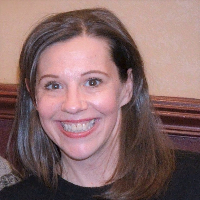
Jonna Phelps, LCPC
Midlife transition and coping support
Opens BetterHelp in a new tab, where you can review online therapy options.
- Practical coping skills
- Focused communication
- Emotion work
About Jonna
Phelps encourages people to notice their strengths and use them to make changes that improve daily life. Sessions are aimed at learning tools for managing intense emotions and building better ways to talk about needs. She often helps people sort through career uncertainty, caregiver strain, chronic health challenges, and feelings of isolation.
Her approach blends client-centered listening with techniques that focus on thoughts, emotions, and behavior. Mindfulness practices and motivational questions are used when helpful to build new habits and increase awareness. Emotion-focused work is used to address relational patterns and communication problems.
Clients can expect a calm, direct style that focuses on solving current problems while validating difficult feelings. The emphasis is on small, practical steps rather than vague advice. Goals get set together and adjusted as progress happens.
Phelps trained at Roosevelt University in Chicago, earning a Master of Arts in Clinical Psychology, and received her Illinois LCPC in 2001. She also completed a Certified Care Manager credential with the National Academy of Care Managers, which informs her work with caregiver and aging issues.
Areas of expertise
Primary focus
Also works with
Additional focus areas
Therapeutic approaches
Experience
20+ years
Credentials
Illinois
Languages
English
Therapeutic approaches and online care
Client-centered therapy focuses on listening and responding to each person's experience. The therapist reflects concerns, helps clarify goals, and supports people as they find their own solutions; this approach works well for building trust and improving self-understanding.Cognitive Behavioral Therapy, or CBT, looks at how thoughts, feelings, and behaviors interact. It uses practical exercises to change unhelpful thinking and to develop skills for managing anxiety, depression, and stress-related problems.
Emotionally-Focused Therapy addresses patterns in how people process and express emotions. It can be useful for improving communication, resolving long-standing emotional blocks, and working through relationship-related distress.
Finding the right approach is part of therapy. The therapist will collaborate with each person to decide which methods fit their needs, goals, and preferences. That choice can shift over time as progress is made or new concerns arise.
If you are considering online work, confirm the current session options before booking. This practice emphasizes fitting therapy into everyday life, such as arranging sessions around work breaks, choosing formats that use less bandwidth when needed, or planning shorter check-ins for busy days. Talk with the therapist about what will best fit your routine and needs before scheduling.
Frequently asked questions
What concerns does she help with?
She helps adults dealing with stress, anxiety, depression, grief, low self-esteem, caregiver strain, chronic illness, and midlife transitions among other concerns.
What is her therapeutic style like?
Her style combines client-centered listening with practical techniques from cognitive behavioral and mindfulness approaches to teach coping skills and improve communication.
How much experience does she have?
She brings 20 years of clinical experience working with adults on mood, anxiety, and life-change issues.
What credentials and region apply to this therapist?
She holds a Master of Arts in Clinical Psychology from Roosevelt University and is an Illinois Licensed Clinical Professional Counselor (LCPC).
Which languages are offered for sessions?
Sessions are offered in English.
Can people outside the U.S. work with her?
She does not accept international clients at this time.
How are session costs handled?
Cost varies by location and therapist availability, and sessions use a subscription that can be canceled at any time.
How do I begin if I want to work together?
To get started, select the Start Therapy button, complete the short matching questionnaire, and schedule according to therapist availability.