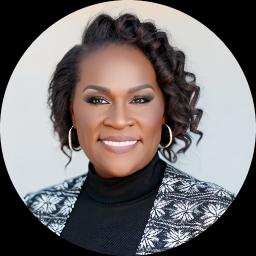
Dr. Lisa Davis, LPC
Compassionate counselor for life transitions
Opens BetterHelp in a new tab, where you can review online therapy options.
- Goal oriented
- Practical steps
- Relationship focus
About Lisa
She uses practical, down-to-earth approaches. Sessions tend to focus on clear goals and steps clients can try between meetings. Lisa encourages people to notice what matters to them, build helpful habits, and practice new ways of relating to themselves and others.
Her background includes a PhD in Counseling, a Master of Science in Counseling Psychology, and a Master of Arts in Communications and Training. That mix informs both how she listens and how she structures sessions to be useful and understandable.
People come for a range of problems, including trauma and abuse, addictions, ADHD, caregiver stress, and coping with life changes such as divorce or aging. She also works with concerns like body image, attachment issues, and communication problems.
Clients can expect a collaborative style. Lisa uses techniques from Acceptance and Commitment Therapy, Cognitive Behavioral Therapy, Dialectical Behavior Therapy, client-centered work, and the Gottman Method when relationships are involved. She aims to help people plan small, realistic changes that add up over time.
Areas of expertise
Primary focus
Also works with
Additional focus areas
Therapeutic approaches
Experience
14+ years
Credentials
Georgia
Languages
English
How these approaches guide online work
Acceptance and Commitment Therapy, or ACT, helps people clarify their values and take small steps toward them while accepting difficult thoughts or feelings. It is often used for stress, anxiety, grief, and life transitions. Cognitive Behavioral Therapy, or CBT, focuses on identifying unhelpful patterns of thinking and testing new behaviors to reduce symptoms like depression and anxiety. It tends to be structured and skills focused. Client-Centered Therapy emphasizes listening, empathy, and working at the client’s pace to build self-awareness and confidence, which can be helpful for relationship struggles and self-esteem issues.Finding the right approach is a collaborative process. The therapist will work with each person to decide which methods fit their goals and preferences rather than assuming one path up front. That way the work reflects what matters most to the client and adapts over time.
Confirm current session options before booking to learn which formats are available. Online therapy can make it easier to fit sessions into a busy schedule, reduce travel time, and allow for consistent check-ins during life changes. It also makes it simpler to continue work after a major transition or when changing locations, while the therapist and client focus on practical steps and coping strategies that can be used between meetings.
Frequently asked questions
What kinds of concerns does this therapist address?
She works with a wide range of issues such as depression, anxiety, grief, addictions, trauma and abuse, parenting and relationship concerns, ADHD, and coping with life changes.
What is her therapeutic style like?
Her approach is collaborative and practical, with goal-focused sessions and suggestions clients can try between meetings.
How much clinical experience does she have?
She has 14 years of experience in counseling and brings that background to sessions.
What credentials and region are listed?
She is listed as an LPC - Licensed Professional Counselor - practicing in Georgia.
Which languages are supported for sessions?
Sessions are offered in English.
Are sessions offered to international clients?
International clients are not currently accepted.
How are costs and billing handled?
Cost varies with location and therapist availability, and sessions use a subscription that can be canceled at any time.
What do I do to begin working with this therapist?
Click the Start Therapy button, complete a short matching questionnaire, and schedule according to therapist availability.