MidlifeTherapists.com

Therapist listings are provided by BetterHelp. We will earn a commission at no additional cost to you if you use our links to purchase.

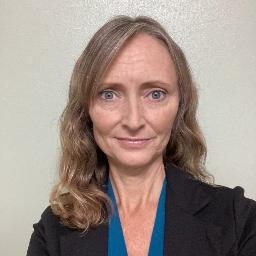
Maggie Johnson

Maggie Johnson, LPCC

Therapist · Minnesota · 9+ years of experience

Renew clarity and steady progress

Continue with Maggie

Opens BetterHelp in a new tab, where you can review online therapy options.

  • Practical coping tools
  • CBT informed work
  • Client-centered listening

About Maggie

Maggie Johnson is a licensed professional clinical counselor (LPCC) based in Minnesota who helps people manage stress, anxiety, depression, bipolar symptoms, and difficulties with relationships and addiction. She writes simply and listens closely to what matters to each person. Sessions focus on practical steps that fit into everyday life rather than abstract theory. Maggie draws on cognitive behavioral ideas to help people notice unhelpful thinking and try different actions. She also uses client-centered listening so people feel heard while they sort things out. Mindfulness practices and motivational interviewing are part of how she supports change for things like substance use, anger, and coping with life transitions. Her background includes nearly nine years working with trauma, criminal justice involvement, and grief alongside mood and anxiety concerns. That experience informs a steady, direct style aimed at clearer thinking and better daily routines. She speaks English and practices in Minnesota as an LPCC. In sessions, expect concrete tools for sleep, eating, and managing cravings or intense emotion. She pays attention to how family of origin, attachment, and caregiver stress shape current struggles. The work often blends short-term problem solving with longer conversations about meaning and identity. Maggie helps people navigate midlife changes and career or parenting stress by setting realistic goals and trying small experiments. If you want a practical, conversational approach that focuses on what works, she may be a fit.

Areas of expertise

Primary focus

Stress, AnxietyAnger managementSelf esteemBipolar disorderDepression

Also works with

AddictionsRelationship issuesFamily conflictsTrauma and abuseGriefIntimacy-related issuesEating disordersSleeping disordersParenting issuesCareer difficultiesCoping with life changesCompassion fatigue

Additional focus areas

AbandonmentAging and geriatric issuesAntisocial personalityAttachment issuesBody imageCaregiver issues and stressCommunication problemsControl issuesDivorce and separationDomestic violenceDrug and alcohol addictionEating and food-related issuesEmptinessFamily of origin issuesFamily problemsForgivenessGuilt and shameHospice and end-of-life counselingImpulsivityIsolation / lonelinessJealousyLife purposeMidlife crisisMoney and financial issuesMood disordersMulticultural concernsNarcissismObsessions, compulsions, and OCDPanic disorder and panic attacksParanoiaPersonality disordersPhobiasPolyamory / non-monogamous relationshipsPost-traumatic stressPrejudice and discriminationProcess addiction (porn, exercise, gambling)Seasonal Affective Disorder (SAD)Self-harmSelf-loveSexual assault and abuseSexualitySmoking / vaping cessationSocial anxiety and phobiaWomen's issuesWorkplace issuesYoung adult issues

Therapeutic approaches

Client-Centered TherapyCognitive Behavioral Therapy (CBT)Mindfulness TherapyMotivational InterviewingNarrative TherapySolution-Focused Therapy

Experience

9+ years

Credentials

Minnesota

Languages

English

How these approaches translate to online therapy

Client-Centered Therapy focuses on listening and reflecting so people can clarify what matters most. Online work using this approach will keep the tone conversational and supportive while you name goals and priorities. Cognitive Behavioral Therapy (CBT) helps people notice unhelpful thoughts and test new behaviors. In remote sessions this often means setting small experiments to try between meetings and reviewing what worked or didn’t. Mindfulness Therapy trains simple attention and awareness skills to reduce reactivity and improve sleep and eating patterns. Remote sessions can include brief guided practices and homework to build steadier routines. Finding the right approach is part of the work. The therapist will collaborate with you to pick methods that match your goals, preferences, and the issues you bring. That might mean combining listening with CBT techniques or adding motivational interviewing for substance use concerns. Confirm current session options before booking, as specific formats are not listed here. Online therapy can make sessions easier to fit into a busy day, allow shorter check-ins when time is limited, and remove travel time so appointments are more practical. Speak with the therapist about what will best fit your schedule and needs.

Frequently asked questions

What concerns does this therapist help with?

Maggie supports people with stress, anxiety, depression, bipolar symptoms, addictions, relationship and family problems, trauma and grief, and midlife changes.

How would you describe the therapy style here?

The approach is practical and conversational, combining client-centered listening with cognitive behavioral techniques and mindfulness exercises to build new habits and coping skills.

What relevant experience does the therapist have?

She has nine years of clinical experience working with mood disorders, trauma, criminal justice involvement, substance use, anger, and grief.

What credentials and location apply to this therapist?

She holds an LPCC, which stands for Licensed Professional Clinical Counselor, and practices in Minnesota.

Which languages are supported for sessions?

Sessions are offered in English only.

What session formats are available?

Session formats are not specified here; please confirm current session options before booking so you know whether phone or video works for you.

How does cost and billing work?

Cost varies with location and therapist availability; sessions use a subscription that can be canceled at any time.

How do I begin working with Maggie?

Select the Start Therapy button, complete a short matching questionnaire, and schedule according to therapist availability.

Maggie Johnson Online therapy options on BetterHelp

Continue with Maggie