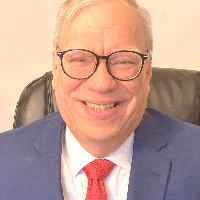
Mark Laster, LCSW-R
Practical, goal-focused therapy for life transitions
Opens BetterHelp in a new tab, where you can review online therapy options.
- Solution oriented
- Client centered
- Goal focused
About Mark
He focuses on clear steps clients can use right away. Sessions center on what someone wants to change and small, achievable goals that make day-to-day life easier. He uses client-centered listening to understand each person’s priorities and tailors tools from cognitive behavioral and solution-focused methods.
With 12 years of experience, he has worked with people facing mood disorders, grief, relationship strain, workplace stress, and trauma or abuse. He also addresses concerns related to aging, caregiver strain, and challenges that follow brain injury or disaster. His work includes attention to multicultural issues and men's concerns.
In the room he favors short-term, goal-directed work when that fits, while remaining open to longer conversations when needed. Sessions aim to reduce immediate distress and build practical coping skills for everyday life. He also helps people weigh options and connect with useful community resources.
People who call him often want concrete steps and steady support during uncertain times. He encourages collaboration on goals and checks progress along the way.
Areas of expertise
Primary focus
Also works with
Additional focus areas
Therapeutic approaches
Experience
12+ years
Credentials
New York
Languages
English
How his approaches shape online therapy
Client-Centered Therapy focuses on listening and following the client's lead. The therapist provides space to tell a story, reflect on what matters, and set goals that fit the person’s life. Cognitive Behavioral Therapy (CBT) looks at how thoughts and behaviors affect mood. It uses simple exercises to test unhelpful thoughts and build healthier routines. Solution-Focused Therapy zeroes in on small, practical changes that move someone toward their goals quickly.Picking the right approach is part of the work together. The therapist will talk about the options, try techniques, and adjust based on what helps most. This is a collaborative process that centers the client's needs, preferences, and short-term goals.
Confirm current session options before booking to know which formats are available. Online work can make it easier to fit sessions into a busy week, reduce travel time, and allow shorter check-ins when needed. It can also let people practice coping strategies between meetings and bring real-life examples to sessions for discussion.
Frequently asked questions
What concerns does Mark address?
He helps people manage stress, anxiety, depression, bipolar symptoms, grief, anger, and relationship issues. He also supports those coping with career changes, midlife crisis, trauma, and family-related stress.
What is his therapeutic style like?
His work is practical and client-centered, focusing on clear goals. He blends cognitive behavioral techniques and solution-focused strategies to produce usable tools for daily life.
How much clinical experience does he have?
He has 12 years of experience working with people who face mood disorders, grief, caregiver strain, and challenges following injury or disaster.
Where does he practice and what are his credentials?
He practices in New York and holds the credential LCSW-R, a licensed clinical social worker designation in New York.
Which languages are supported for sessions?
Sessions are offered in English.
Can international clients work with him?
He does not accept international clients at this time.
How are fees and payment handled?
Cost varies with location and therapist availability, and sessions use a subscription model that can be canceled at any time.
How do I begin a counseling relationship?
Choose the Start Therapy button, complete the short matching questionnaire, and then schedule based on the therapist's availability.