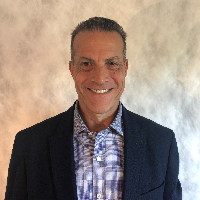
Mark Schiffman, LCSW
Helping people through life transitions
Opens BetterHelp in a new tab, where you can review online therapy options.
- Practical coping skills
- Mindful emotion work
- Relationship tools
About Mark
His sessions center on clear, practical strategies that aim to reduce worry and lift persistent sadness. He uses straightforward techniques so clients can notice small changes that add up. Conversations are calm and nonjudgmental, with attention to what feels useful in day-to-day life.
Mark blends cognitive behavioral techniques with mindful practices and skills from dialectical behavior therapy. He also incorporates Imago relationship ideas when relationship patterns are a focus. These methods are applied in ways that match each person’s situation and goals.
He trained at New York University and has spent decades in clinical settings. Over time he developed approaches for trauma, mood differences such as bipolar concerns, compulsive behaviors, and issues linked to abandonment or attachment. That background informs how he tailors treatment plans.
Sessions aim to be practical and goal-oriented while allowing space for reflection. For people coping with career strain, compassion fatigue, or midlife questions, he helps sort priorities and find manageable next steps. International clients are accepted and sessions are conducted in English.
Areas of expertise
Primary focus
Also works with
Additional focus areas
Therapeutic approaches
Experience
25+ years
Credentials
New York
Languages
English
Approaches that guide online work
Mark commonly uses cognitive behavioral therapy, which helps identify unhelpful thoughts and replace them with more useful ways of thinking. CBT can be helpful for anxiety, depression, stress, and behaviors that get in the way of daily life.He also draws on dialectical behavior therapy skills to teach emotion regulation, distress tolerance, and clearer interpersonal communication. These skills are often useful for strong mood swings, impulsive reactions, and relationship tension.
Finding the right approach is part of the work. The therapist collaborates with each person to choose methods that match their goals, preferences, and current problems. That may mean trying a mix of CBT, DBT skills, mindfulness, or relationship-focused techniques and adjusting as progress is observed.
The practical benefits of online therapy often include easier scheduling and fitting sessions into a busy life. Online work can reduce commute time and let sessions happen from a quieter spot when that is helpful. Because the biography does not list specific session formats, confirm the available session types before booking so arrangements match your needs.
Frequently asked questions
What concerns does this therapist commonly address?
He works with stress, anxiety, depression, addictions, grief, and midlife transitions, plus relationship and intimacy-related issues. Additional focuses include ADHD, caregiving stress, eating and sleeping problems, and trauma-related concerns.
What is the general style or approach in sessions?
Sessions emphasize practical strategies and calm, reflective listening. Clients can expect skill-building from cognitive and behavioral approaches alongside mindfulness practices.
How much clinical experience does he have?
He brings 25 years of clinical experience and a background that includes trauma work, mood-related issues, and behavior-focused interventions.
What credentials and location are listed?
He is a licensed clinical social worker, LCSW, licensed in New York and based in New York.
Which languages are offered and can international clients connect?
Sessions are offered in English, and international clients are accepted.
What session formats are available?
The original biography does not specify session formats; please confirm current session options before booking.
How does pricing work for sessions?
Cost varies with location and therapist availability, and sessions use a subscription that can be canceled at any time.
What are the first steps to begin working together?
Select the Start Therapy button, complete a short matching questionnaire, and schedule according to therapist availability.