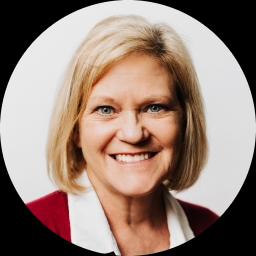
Marla Anderson, LPC
Guide for midlife change and stress
Opens BetterHelp in a new tab, where you can review online therapy options.
- Practical coping skills
- Focus on stress
- Goal oriented
About Marla
She began her counseling work as a school counselor more than 15 years ago and transitioned toward full-time LPC practice in 2021. Marla has worked with people ranging in age from 3 to 73, and she draws on that range when tailoring support to current needs.
In sessions she uses Client-Centered methods alongside Cognitive Behavioral Therapy and Dialectical Behavior Therapy techniques. She also incorporates Eye Movement Desensitization and Reprocessing approaches and motivational interviewing when they fit a person's goals. Conversations focus on realistic skills and short-term strategies people can use between sessions.
Marla often helps people manage stress, anxiety, anger, and addictions, while also addressing self-esteem and life changes. She pays attention to practical problems like communication, commitment, and codependency, and to complex situations such as chronic illness, caregiving strain, and separation.
Her approach is collaborative and down-to-earth. Sessions typically involve setting small goals, practicing new ways to handle difficult moments, and checking progress together. Marla aims to help people find clearer direction and stronger coping tools as they move through midlife and other transitions.
Areas of expertise
Primary focus
Additional focus areas
Therapeutic approaches
Experience
7+ years
Credentials
Texas
Languages
English
Therapeutic approaches that translate well to online work
Client-Centered Therapy focuses on listening and reflecting so the person feels heard and understood. It helps people clarify goals and make choices that fit their values. Cognitive Behavioral Therapy (CBT) looks at the links between thoughts, feelings, and actions and teaches concrete tools to reduce anxiety and change unhelpful patterns. Dialectical Behavior Therapy (DBT) offers skills for regulating intense emotions and improving relationships, with practical exercises to use between sessions.Finding the right approach is part of the work. The therapist will collaborate with each person to decide which methods fit their needs, goals, and preferences. That might mean using one approach primarily or mixing techniques over time based on what helps most.
Confirm current session options before booking so you know what formats are available. Online therapy can make it easier to fit sessions into a busy day, shorten travel time, and allow check-ins during work breaks or in quieter moments. It also makes it possible to continue care when life changes make in-person visits harder. The therapist will discuss how to structure sessions so they match a client's routine and goals.
Frequently asked questions
What concerns does she often help with?
She commonly helps people with stress, anxiety, addictions, anger, low self-esteem, and coping with life changes. Additional areas include communication problems, caregiver stress, chronic illness, and divorce.
What is her general therapy style?
Her style is collaborative and respectful with a focus on practical skills. Sessions mix client-centered conversation with specific techniques from CBT and DBT.
How much clinical experience does she have?
She has seven years as an LPC and over 15 years working in counseling settings including school counseling before moving to full-time LPC practice in 2021.
Where is she licensed and based?
She holds the LPC credential and is licensed in Texas. Her practice information and work history reflect that regional base.
Which languages are supported for sessions?
Sessions are offered in English.
Are international clients accepted?
International clients are not currently accepted.
How does payment and cost work?
Cost varies with location and therapist availability; sessions use a subscription that can be canceled at any time.
How do I begin working together?
Start by selecting the Start Therapy button, completing a short matching questionnaire, and then scheduling according to the therapist's availability.