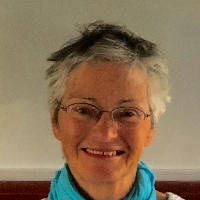
Mary Aubrey, LICSW
Compassionate therapist for life transitions
Opens BetterHelp in a new tab, where you can review online therapy options.
- Collaborative goal-setting
- Practical coping strategies
- Thought and behavior focus
About Mary
Her experience includes college mental health, community agencies, crisis intervention, hospital-based care, and private practice. That variety shaped a practical approach to everyday problems. She draws from cognitive behavioral ideas to address unhelpful thoughts and behaviors. She also uses psychodynamic concepts to look at patterns that repeat over time.
Sessions are collaborative and goal-focused. Mary asks about what matters to you, then tailors steps you can try between meetings. She checks in on how those steps are working and adjusts plans as needed. This keeps work focused and concrete.
People come to her for help with addictions, eating and food-related issues, caregiver stress, body image concerns, and low self-esteem. She also supports people facing divorce, commitment or communication difficulties, and career questions. Midlife crisis is listed among her focus areas when people are reassessing purpose or major choices.
Mary trained at Smith College School for Social Work and holds an M.S.W. She is licensed in Massachusetts as an LICSW and offers therapy in English. To begin, prospective clients complete a short matching questionnaire and schedule a first session based on availability.
Areas of expertise
Primary focus
Also works with
Additional focus areas
Therapeutic approaches
Experience
40+ years
Credentials
Massachusetts
Languages
English
How these approaches shape online work
Mary draws on cognitive behavioral and solution-focused ideas to guide online work. Cognitive Behavioral Therapy (CBT) focuses on identifying unhelpful thoughts and testing small behavior changes to reduce distress and improve daily coping. Solution-Focused Therapy centers on practical steps and short-term goals, helping people build on what already works in their life.Choosing an approach is a collaborative process. Mary will discuss your goals, needs, and preferences and together decide which methods to try first. She checks results and adjusts the plan if something isn’t helping, so the work stays relevant to your situation.
Because the biography does not list specific session formats, confirm current options before booking. Many people find online work helpful because it can fit more easily into a busy day, reduce travel time, and allow shorter check-ins when needed. Online sessions can make it simpler to stay consistent with appointments and to practice skills between meetings, which supports steady progress.
Frequently asked questions
What kinds of problems does she help with?
Mary supports people with stress, anxiety, depression, grief, relationship and family problems, addictions, eating issues, career concerns, and midlife transitions.
How would you describe her therapeutic style?
She works collaboratively and keeps sessions practical. Together clients set goals, try steps between sessions, and track progress to see what is working.
What background does she bring to therapy?
Mary has forty years of experience in college mental health, community agencies, crisis intervention, hospital services, and private practice.
What are her credentials and where is she based?
She holds an M.S.W. from Smith College School for Social Work and is a Licensed Independent Clinical Social Worker in Massachusetts.
Which languages are sessions offered in?
Sessions are offered in English.
Can people outside this country work with her?
She does not accept international clients at this time.
How are session formats handled?
Please confirm current session options before booking, as the biography does not list specific formats.
How does cost and scheduling work?
Cost varies with location and therapist availability; sessions use a subscription that can be canceled at any time. To start, select the Start Therapy button and complete a short matching questionnaire.