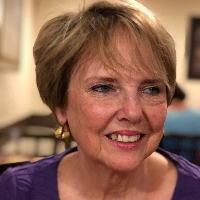
Dr. Mary Walker, LPC
Compassionate counselor focused on practical change
Opens BetterHelp in a new tab, where you can review online therapy options.
- Person-centered listening
- CBT and DBT approaches
- Experience with trauma
About Mary
She writes plainly and listens closely. Sessions focus on what the person needs most in day-to-day life. Her previous work as a high school art teacher and a church mentor shaped how she connects with people. She values practical steps alongside emotional support.
She trained at the Houston Graduate School of Theology for her master’s degree and completed a Ph.D. at Texas A&M Corpus Christi. Over the years she added study in trauma, dissociation, personality challenges, grief, OCD, depression, and anxiety. That background informs how she notices patterns and responds when someone is overwhelmed.
Her approach blends client-centered listening with cognitive behavioral methods and dialectical strategies. She also uses existential and mindfulness ideas to help people find purpose and calm. Therapy sessions aim to identify small changes that make daily life easier.
People work with her to sort through strong feelings like fear, anger, and frustration. She helps set realistic goals and practices to manage symptoms between sessions. The overall goal is clearer thinking, steadier mood, and better coping in everyday moments.
Areas of expertise
Primary focus
Also works with
Additional focus areas
Therapeutic approaches
Experience
10+ years
Credentials
Texas
Languages
English
Approaches that translate to online work
Client-centered therapy focuses on empathic listening and following the person’s lead. It helps when someone needs space to tell their story and to clarify what they want to change. Cognitive behavioral therapy (CBT) looks at thoughts and behaviors and teaches practical skills to reduce symptoms like anxiety, insomnia, or problematic eating. Dialectical behavior therapy (DBT) combines skill-building and acceptance strategies to manage intense emotions and improve coping.Choosing the right approach is part of the work. The therapist will collaborate with each person to decide which methods fit their needs, goals, and preferences. Sessions often mix listening, skill practice, and homework so people can try new ways of coping between meetings.
The biography does not list specific online session formats, so confirm current options before booking. Online work can make it easier to fit therapy into a busy schedule, allow shorter check-ins when needed, and remove travel time around work or family obligations. Licensed professionals can use these approaches to help people practice new skills in everyday settings and track progress over time.
Frequently asked questions
What concerns does she address?
She supports people with eating and sleeping problems, addictions, grief, career issues, bipolar disorder, ADHD, and LGBT-related concerns, among other focus areas.
What is her therapeutic style like?
Her style combines person-centered listening with practical techniques from cognitive behavioral therapy and dialectical behavior therapy. Sessions emphasize clear steps and emotional support.
How much clinical experience does she have?
She has ten years of experience working with people in counseling roles, plus earlier experience as a teacher and mentor that shaped her approach.
What credentials and region are listed?
She holds the credential LPC, listed as a Texas LPC, and practices in Texas.
In which language can I work with her?
Sessions are offered in English and the practice notes that international clients are accepted.
What session formats are offered?
The original biography does not list specific session formats; please confirm current session options before booking.
How are costs handled?
Cost varies with location and therapist availability and sessions use a subscription that can be canceled at any time.
How do I begin working with her?
Select the Start Therapy button, complete a short matching questionnaire, and schedule according to therapist availability.