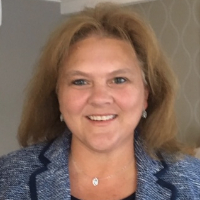
Michelle Gross, LCMHC
Midlife-focused counselor and coach
Opens BetterHelp in a new tab, where you can review online therapy options.
- Practical coping strategies
- ADHD support
- Career and life changes
About Michelle
She focuses on helping people turn insight into action. Conversations are aimed at building self-awareness, identifying strengths, and developing clear, usable strategies for daily life. Michelle combines coaching skills with counseling to support goal setting and follow-through.
Her background includes work in schools, universities, corporations, and private practice. That variety informs a flexible approach that fits different ages and life stages. People with ADHD often seek her help to develop coping strategies for focus, organization, and impulse control.
Michelle also supports those dealing with relationship stress, addiction issues, sleep and eating concerns, and compassion fatigue. She brings experience helping people navigate grief, end-of-life caregiving, divorce, and the emotional fallout of disasters or trauma.
Her methods draw on client-centered work, cognitive behavioral techniques, dialectical behavior tools, mindfulness, and motivational interviewing. Sessions emphasize useful skills and small experiments clients can try between visits. Michelle aims to make therapy understandable and practical for busy lives.
Areas of expertise
Primary focus
Also works with
Additional focus areas
Therapeutic approaches
Experience
20+ years
Credentials
North Carolina
Languages
English
How her approaches guide online work
Client-centered therapy focuses on the person's own goals and strengths. It involves open listening and adjusting pace to what the client says, which helps when someone needs acceptance and clarity about next steps.Cognitive Behavioral Therapy, or CBT, looks at the links between thoughts, feelings, and actions. It teaches practical exercises and small behavior changes that can reduce anxiety, improve mood, or support sleep and eating routines.
Dialectical Behavior Therapy, or DBT, offers skills for handling intense emotions, improving distress tolerance, and managing impulsivity. These tools can be useful for people dealing with bipolar symptoms, anger, or impulsive behaviors.
Finding the right approach is part of the work. Michelle collaborates with clients to match methods to their needs, goals, and preferences. She reviews what is helping and adjusts the plan as progress or challenges arise.
Session formats are not listed in the biography, so please confirm current online options before booking. Many people find online sessions helpful for fitting therapy into busy days, reducing travel time, and making it easier to check in between commitments. Others pick shorter or phone-based check-ins when they need a quick strategy session rather than a longer appointment.
Frequently asked questions
What concerns does Michelle address?
She works with stress, anxiety, depression, ADHD, grief, addictions, and many life changes including career shifts and caregiving strain.
What is her general therapy style?
Sessions are practical and collaborative. She blends counseling and coaching to turn insights into actionable steps.
How much experience does she have?
Michelle has 20 years of experience in counseling, coaching, and education across schools, universities, corporations, and private practice.
What are her credentials and where is she based?
She holds the LCMHC credential and works from North Carolina.
Which languages are supported for sessions?
Sessions are offered in English, and she accepts international clients.
What session formats are available?
Formats are not specified here; please confirm current session options with the service before booking.
How are session costs handled?
Costs vary with location and therapist availability; sessions use a subscription that can be canceled at any time.
How do I begin working with her?
Click the Start Therapy button, complete a short matching questionnaire, and schedule according to the therapist's availability.