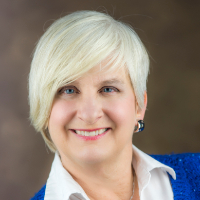
Dr. Nancy Simpson, SC Psychologist 731
Practical, grounded therapy for life transitions
Opens BetterHelp in a new tab, where you can review online therapy options.
- CBT and mindfulness
- Focus on midlife
- 20 years experience
About Nancy
She focuses on anxiety, stress, mood concerns such as depression and bipolar disorder, and the particular challenges that come with midlife transitions. Dr. Simpson also helps people manage caregiving stress, grief, relationship strain, self-esteem struggles, workplace issues, and parenting concerns. Her work pays attention to life-stage questions like purpose and aging that often surface in midlife.
Dr. Simpson blends Cognitive Behavioral Therapy with mindfulness practices and psychodynamic ideas to help people understand patterns and develop new habits. She also uses solution-focused techniques to set short-term goals and track progress. Sessions typically involve straightforward discussion, practical skill work, and collaborative planning for change.
Her background includes earlier clinical work in both inpatient and outpatient settings and experience performing neuropsychological assessments. She spent 30 years teaching at a community college and now combines that teaching experience with clinical practice to make therapy clear and accessible.
Outside of work she cares for a hobby farm where she milks goats, makes cheese, tends bees, and practices historic crafts. Those interests shape a patient, hands-on style in the therapy room and a grounded approach to helping people through life transitions.
Areas of expertise
Primary focus
Also works with
Additional focus areas
Therapeutic approaches
Experience
20+ years
Credentials
South Carolina
Languages
English
How her approaches translate to online therapy
Dr. Simpson commonly uses Cognitive Behavioral Therapy and Mindfulness Therapy to help people notice unhelpful thoughts and build new coping skills. CBT focuses on identifying thoughts and behaviors that keep problems going and then practicing alternative responses. Mindfulness Therapy teaches simple attention and breathing practices to reduce reactivity and improve focus.She sees selecting an approach as a collaborative process. The therapist will talk with each person about goals, preferences, and daily life, and then suggest a mix of techniques. Together they adjust the plan as progress or needs change so the work fits the individual.
Session formats are not specified in the biography, so confirm current session options before booking. Online therapy can make it easier to fit sessions into a busy schedule, allow shorter check-ins when time is limited, and reduce travel time. It also makes it simpler to continue care during life transitions or when someone is balancing work and caregiving responsibilities.
Frequently asked questions
What concerns does she commonly address?
She helps people with stress, anxiety, depression, bipolar mood concerns, and challenges tied to life changes such as midlife transitions. Other areas include grief, caregiver stress, relationship strain, self-esteem, and workplace issues.
What is her general therapy style?
Her style is practical and conversational. She mixes cognitive behavioral ideas, mindfulness, psychodynamic reflection, and solution-focused goal setting to create clear steps clients can try between sessions.
How long has she worked in the field?
She brings 20 years of clinical experience and additional years teaching psychology at a community college, which she uses to make therapy approachable and educational.
What are her credentials and where is she based?
She is a South Carolina Psychologist, listed as SC Psychologist 731, and she practices in South Carolina.
Which languages are supported for sessions?
Sessions are offered in English.
Can international clients work with her?
She is not accepting international clients at this time.
How are fees and billing handled?
Cost varies with location and therapist availability, and sessions use a subscription that can be canceled at any time.
How do I begin therapy with her?
Click the Start Therapy button, complete a short matching questionnaire, and schedule sessions according to the therapist's availability.