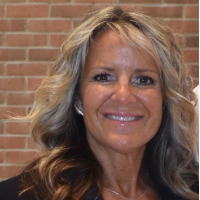
Patricia Foyder-DeVoe, LCSW
Insightful therapy with practical tools
Opens BetterHelp in a new tab, where you can review online therapy options.
- Psychodynamic-informed
- Goal focused
- English and Spanish
About Patricia
Patricia draws on psychodynamic ideas while tailoring techniques to each person’s needs. She blends talk therapy with practical tools so people can notice patterns and try new ways of coping. That mix is often used for concerns such as depression, grieving, intimacy issues, addictions, and challenges tied to parenting or career changes.
Her work includes addressing attachment and abandonment concerns, body image and eating-related problems, ADHD, and compassion fatigue. She also supports people facing chronic illness, caregiver stress, or the aftermath of trauma and abuse. Sessions emphasize clear goals and steady progress rather than long lists of theory.
Patricia aims to create a nonjudgmental space where clients can speak freely and experiment with change. She listens for life patterns that repeat and offers strategies to interrupt them. The goal is to leave each session with something concrete to try between meetings.
Fluent in English and Spanish, she has experience with a broad range of difficulties across adult life stages. Before private practice she supervised in community mental health, bringing both clinical and leadership experience to her work. Prospective clients are invited to consider what they want to change and to bring that into the first session.
Areas of expertise
Primary focus
Also works with
Additional focus areas
Therapeutic approaches
Experience
25+ years
Credentials
New York
Languages
English, Spanish
How Patricia’s approaches fit into online therapy
Patricia commonly uses Client-Centered Therapy and Psychodynamic Therapy in her work. Client-Centered Therapy focuses on listening closely and following the person’s lead to build understanding and self-direction; it can help when someone needs a supportive space to name their priorities. Psychodynamic Therapy looks at patterns from past and present relationships to uncover why certain problems keep repeating, which can be useful for relationship struggles and attachment concerns.Choosing the right approach is a collaborative process. Patricia will talk with each person about their goals and preferences, and together they decide which methods to try. She adjusts the plan as therapy progresses so it stays relevant and practical.
If you are considering online therapy, confirm the session formats available before booking. The main practical benefits are that sessions can fit into a busy week, reduce travel time, and make it easier to continue work during life transitions. Online work also lets people use quieter surroundings, opt for shorter check-ins when needed, or avoid being on camera some days. These practical options can make regular care easier to keep up without promising a particular format.
Frequently asked questions
What concerns does Patricia address?
She helps people with stress, anxiety, depression, relationship and intimacy issues, and coping with life changes including midlife transitions.
How would you describe her therapeutic style?
Her style centers on authenticity and building trust, combining psychodynamic perspectives with practical tools tailored to each person.
What kind of experience does she bring?
Patricia has 25 years of clinical experience, including supervisory work in community mental health and many years in private practice.
Where is she based and what is her credential?
She practices in New York and holds the LCSW credential, licensed in New York.
Which languages are sessions offered in?
Sessions are offered in English and Spanish.
Can international clients schedule with her?
She does not accept international clients at this time.
How are session costs handled?
Cost varies with location and therapist availability; sessions use a subscription that can be canceled at any time.
How do I get started with therapy?
Click the Start Therapy button, complete a short matching questionnaire, and schedule based on the therapist's availability.