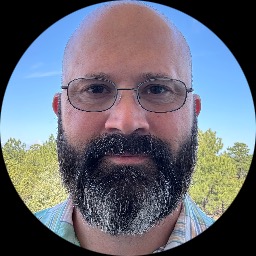
Paul Brunner, LCSW, CSW
Therapist helping people through life transitions
Opens BetterHelp in a new tab, where you can review online therapy options.
- Trauma-informed care
- Practical skills
- Veteran experience
About Paul
He has a Master of Social Work and holds LCSW and CSW credentials, licensed in Colorado and North Carolina. Much of his early career was in the U.S. Army, where he served as a mental health technician and later as an officer and active duty social worker. That background led to years of work with Veterans and first responders.
Paul uses practical, evidence-informed approaches in sessions. He commonly draws on cognitive behavioral methods to change unhelpful thoughts and behaviors. He also uses mindfulness practices to reduce stress and grounding skills after distressing experiences.
He has provided trauma-focused therapies, including Eye Movement Desensitization and Reprocessing, and has worked with people affected by domestic violence, sexual abuse, and substance use concerns. He supports people dealing with career stress, relationship conflict, and problems with sleep or self-esteem.
In the therapy room he aims for clear steps and straightforward goals. Sessions focus on skills you can try between meetings and on understanding patterns that keep problems going. Paul encourages clients to set realistic goals and to take small steps toward change.
Areas of expertise
Primary focus
Also works with
Additional focus areas
Therapeutic approaches
Experience
15+ years
Credentials
North Carolina, Colorado
Languages
English
Approaches that guide online work
Paul commonly uses cognitive behavioral therapy to help identify and change unhelpful thoughts and behaviors; this approach teaches practical steps that can reduce anxiety, improve sleep, and support mood changes. He also uses dialectical behavior therapy skills to teach emotional regulation and distress tolerance, which can help with impulsivity and intense emotions.EMDR is another tool he has used for trauma processing; it supports working through distressing memories and the reactions that follow them. Each approach aims to give concrete tools you can use between sessions rather than only talking about problems.
Choosing the right method is a team effort. The therapist will talk with each person about goals, past experiences, and what feels most helpful, then adapt techniques over time based on progress and preference.
Session logistics and formats are not specified here, so confirm the current session options before booking. Online therapy can make it easier to fit appointments around work, reduce travel time, and allow shorter check-ins when needed. It also lets people continue care if they relocate within the same licensed region.
Frequently asked questions
What kinds of problems does Paul address?
He works with stress, anxiety, trauma and abuse, anger, depression, and midlife crisis among other concerns.
How would he describe his therapeutic style?
Paul uses practical, skills-focused methods such as cognitive behavioral approaches and mindfulness to help people manage symptoms and make changes.
What background does he bring to therapy?
He spent many years in the U.S. Army as a mental health technician, officer, and active duty social worker, and has 15 years of clinical experience.
Which credentials and region apply to his practice?
He holds LCSW and CSW credentials and is licensed in Colorado and North Carolina.
In which languages can sessions be held?
Sessions are offered in English.
Are international clients supported?
International clients are not currently accepted.
How does payment or cost work?
Cost varies with location and therapist availability, and sessions use a subscription that can be canceled at any time.
What should I do to begin working together?
Select the Start Therapy button, complete the short matching questionnaire, and schedule according to the therapist's availability.