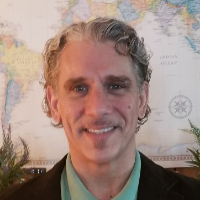
Paul Pasternak, LMHC
Experienced New York LMHC for life transitions
Opens BetterHelp in a new tab, where you can review online therapy options.
- Strength-based approach
- Practical tools
- Midlife concerns
About Paul
Paul uses a client-centered, strength-based style. He listens first, then helps people set clear goals they want to reach. He favors practical tools rooted in Motivational Interviewing and Cognitive Behavioral Therapy to encourage change and build skills.
When someone first comes for help, Paul works with them to build a specific care plan. That plan focuses on realistic steps and is adjusted as progress is made. Sessions combine problem-solving, skills practice, and discussion of past experiences when that helps move things forward.
Paul has worked in many settings over his career and draws on that variety when tailoring support to each person. He pays attention to how trauma, life stage, and caregiver stress can affect day-to-day functioning. The aim is steady, manageable change rather than quick fixes.
Starting therapy takes energy and hope, and Paul emphasizes both as part of the work. He encourages collaborative effort so people can move toward the life they want, one step at a time.
Areas of expertise
Primary focus
Also works with
Additional focus areas
Therapeutic approaches
Experience
25+ years
Credentials
New York
Languages
English
Approaches That Translate to Online Work
Client-Centered Therapy focuses on listening, empathy, and letting the person lead the pace of change; it helps people clarify goals and feel understood. Cognitive Behavioral Therapy, or CBT, looks at how thoughts, feelings, and behaviors connect and teaches concrete skills to reduce anxiety, manage mood, or change unhelpful habits. Motivational Interviewing is a goal-oriented conversational style that helps build readiness and commitment for change, often used with addiction, behavior change, and ambivalence.Finding the right approach is part of the work. Paul will collaborate with each person to identify which methods feel most useful for their goals and adjust the plan over time. The first sessions are often about listening, setting priorities, and trying a few techniques to see what fits.
If you are considering online therapy, confirm the current session options before booking so you know what formats are offered. Online work can make it easier to fit sessions into a busy life, reduce travel time, allow shorter check-ins when needed, and let people use tools and worksheets together during meetings. Licensed professionals can often adapt these approaches to work effectively over distance, and the process remains focused on practical steps and progress.
Frequently asked questions
What kinds of concerns does Paul address?
He supports people with stress, anxiety, depression, addictions, relationship and parenting challenges, grief, anger, self-esteem issues, career and midlife transitions, and related concerns listed in his specialties.
How would you describe his therapeutic style?
Paul practices a client-centered, strength-based style that focuses on the goals the client wants. Sessions blend listening, practical strategies, and goal setting.
What is his background and experience?
Paul has worked for 25 years in varied clinical settings, helping people cope with anxiety, depression, addiction, family and life-change issues.
Where is Paul licensed and located?
He is a Licensed Mental Health Counselor, LMHC, licensed in New York and practices from New York.
In which languages are sessions offered?
Sessions are offered in English.
Can international clients work with him?
He does not accept international clients at this time.
How are sessions billed and what does it cost?
Cost varies with location and therapist availability, and sessions use a subscription that can be canceled at any time.
How do I get started with Paul?
Select the Start Therapy button, complete a short matching questionnaire, and schedule according to therapist availability.