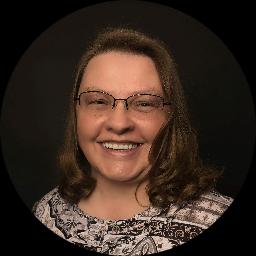
Peggy Ratliff, LPC
Practical support for life transitions
Opens BetterHelp in a new tab, where you can review online therapy options.
- Strengths focused
- Straightforward guidance
- Day to day coping
About Peggy
Peggy listens for what matters most to each person and builds on existing strengths. She uses straightforward, practical conversations to help people notice patterns and try new ways of coping. Sessions are collaborative and paced to match each person's readiness for change.
People come to Peggy for help with relationship struggles, attachment and abandonment concerns, and issues such as codependency or commitment worries. She also supports those facing chronic illness, caregiving stress, cancer related challenges, aging issues, and body image concerns. Practical coping skills are paired with attention to how past experiences influence present choices.
Peggy aims to make the work feel manageable. She breaks larger problems into smaller steps and checks in about what is working. The overall tone is encouraging and focused on day-to-day improvements.
For someone feeling stuck during a difficult transition, Peggy offers steady guidance and help planning next steps. She emphasizes real-world changes people can try between sessions and respects each person's pace for healing.
Areas of expertise
Primary focus
Additional focus areas
Experience
7+ years
Credentials
Arkansas
Languages
English
How evidence-based approaches work in online care
Many of the techniques Peggy relies on are evidence-based therapeutic techniques that focus on practical change. Cognitive-style approaches help people notice unhelpful thoughts and test new, more balanced ways of thinking; these methods can reduce anxiety and low mood by changing everyday reactions. Skills-based approaches teach concrete tools for managing stress, pacing activities, and improving communication, which can help with grief, caregiver strain, and chronic illness adaptation.Finding the right approach is part of the work. Peggy collaborates with each person to identify goals and preferences. Together they try methods that fit the client's needs and adjust the plan based on what helps most.
Session formats are not specified in the biography, so confirm current options before booking. Online therapy can make it easier to fit sessions into a busy week, avoid travel time, and continue work during major life transitions. It also lets people keep a steady rhythm of support while trying practical changes between meetings.
Frequently asked questions
What kinds of concerns does Peggy address?
She helps people with stress, anxiety, depression, grief, trauma, and coping with life changes. Additional focuses include caregiver stress, chronic illness, body image, attachment concerns, and related issues.
How would you describe her therapeutic style?
Her style is collaborative and practical. Peggy listens, highlights strengths, and suggests small, manageable steps to try between sessions.
How much clinical experience does she have?
Peggy has seven years of professional work experience in counseling and mental health settings.
What credential does she hold and where is she based?
She is an LPC, which stands for Licensed Professional Counselor, and practices in Arkansas.
Which languages are supported for sessions?
Sessions are offered in English.
Can international clients work with her?
She does not accept international clients at this time.
How does payment or cost work?
Cost varies with location and therapist availability; sessions use a subscription that can be canceled at any time.
How do I begin therapy with Peggy?
Click the Start Therapy button, complete a short matching questionnaire, and then schedule according to the therapist's availability.