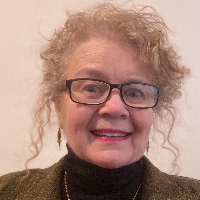
Sara Tinker, LCSW
Compassionate guidance for midlife transitions
Opens BetterHelp in a new tab, where you can review online therapy options.
- Practical emotion skills
- Attachment-informed care
- Warm collaborative style
About Sara
Sara uses a mix of approaches that fit each person’s situation. She draws on attachment-focused work to look at how early relationships shape current connections. She uses client-centered methods to keep the session focused on a person’s priorities. Dialectical Behavior Therapy skills are available for managing strong emotions and improving coping.
With 26 years as a licensed clinical social worker in Tennessee, Sara has worked in a range of settings. Her background includes community mental health, adolescent psychiatric and addiction treatment, and long-running private practice work that began in the early 1990s. Those settings shaped her practical problem-solving approach.
Sara has also pursued body-oriented and trauma-related methods and integrates them when helpful. She often brings experiential tools and emotion-focused work into sessions to address trauma, grief, and relationship ruptures. She aims to help people improve communication, set clearer boundaries, and find meaningful direction during life changes.
People come to Sara for help with anxiety, depression, grief, relationship concerns, chronic health stress, and addictive behaviors. She encourages small, manageable steps and collaborates with each person to build on strengths and hope.
Areas of expertise
Primary focus
Also works with
Additional focus areas
Therapeutic approaches
Experience
26+ years
Credentials
Tennessee
Languages
English
How therapeutic approaches translate to online care
Attachment-Based Therapy looks at how early and current relationships affect how people connect today; online sessions can help people notice patterns and practice new ways of relating. Client-Centered Therapy focuses on the person’s agenda and uses reflective listening and collaboration to help people clarify values and goals, which works well in a talk-based format. Dialectical Behavior Therapy (DBT) emphasizes emotion regulation, distress tolerance, and interpersonal skills; DBT skills can be taught and practiced during remote sessions to support coping between meetings.Finding the right approach is part of the work. The therapist will review your goals, needs, and preferences and together you will decide which methods to prioritize. This is a collaborative process that can shift as circumstances change.
Session formats are not listed in the biography, so confirm the current options before booking. Online therapy can make it easier to fit sessions into a busy week, shorten travel time, and allow for shorter check-ins when needed. It also supports continuity of care during life transitions and lets people work on communication and emotion skills from where they are. Licensed professionals can adapt exercises and homework so progress continues between visits.
Frequently asked questions
What kinds of concerns does Sara address in therapy?
Sara works with people facing stress, anxiety, depression, grief, relationship and intimacy issues, addictions, coping with life changes, chronic health challenges, and midlife transitions.
How would you describe her therapeutic style?
Her style is warm, interactive, and person-focused; she listens first and then uses practical skills and emotion-focused work tailored to each person.
What is her professional background?
She has 26 years of experience working in community mental health, adolescent psychiatric and addiction settings, and long-term private practice in Tennessee.
What credential does she hold and where does she practice?
She is a Licensed Clinical Social Worker (LCSW) licensed in Tennessee and practices with clients in that state.
Are sessions offered in other languages or internationally?
Sessions are offered in English and she is not currently accepting international clients.
What session formats are available?
Session formats are not specified here; please confirm current session options with the service before scheduling.
How does payment and cost work?
Cost varies with location and therapist availability; sessions use a subscription that can be canceled at any time.
How do I begin working with Sara?
Select the Start Therapy button, complete a short matching questionnaire, and schedule according to the therapist’s availability.