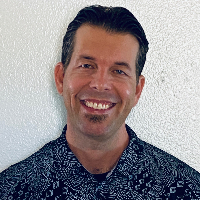
Sean Gardner, LPC, LMHC
Focused, practical support for life transitions
Opens BetterHelp in a new tab, where you can review online therapy options.
- Calm straightforward care
- Skills and insight
- Experience with trauma
About Sean
He draws on a mix of practical methods including Acceptance and Commitment Therapy, cognitive behavioral ideas, and client-centered listening. Sessions focus on clear goals, skill building, and honest conversation. People bring concerns such as relationship conflict, trauma, grief, addictions, and struggles with self-esteem or career direction.
Sean's background includes active duty service in the U.S. Navy and work as a firefighter-paramedic. He completed a BA in psychology at Arizona State University and a master’s degree in counseling psychology from Chaminade University of Honolulu. That mix of life and clinical experience shapes a calm, grounded approach in sessions.
He has worked with adolescents in inpatient settings and with Veterans Affairs on housing and social needs, and he has provided online psychotherapy for several years. Sean is based in Arizona and offers services in English. He also accepts international clients, and brings a practical, realistic style to therapy.
People who connect with Sean tend to be looking for direct help managing emotions, improving relationships, or navigating life transitions. He helps clients learn specific tools and make steady changes over time.
Areas of expertise
Primary focus
Also works with
Additional focus areas
Therapeutic approaches
Experience
10+ years
Credentials
Hawaii, Arizona
Languages
English
How his approaches guide online therapy
Acceptance and Commitment Therapy (ACT) focuses on clarifying personal values and taking small actions that match those values while learning to accept difficult thoughts and feelings. It can help people facing major life changes or ongoing anxiety. Cognitive Behavioral Therapy (CBT) looks at the links between thoughts, feelings, and behavior, teaching practical techniques to reduce symptoms like depression or panic and to change unhelpful patterns. Client-Centered Therapy emphasizes listening, empathy, and building trust so people feel understood and can explore what matters to them.Choosing the right approach is part of the work itself. Sean treats this as a collaborative process - he will talk with each person about goals, try methods that fit, and adjust plans based on what is most helpful. That way the therapy matches the client rather than the other way around.
If you are considering online therapy, confirm available session options before booking. Online work can make it easier to fit appointments into a busy week, reduce travel time, and allow check-ins when schedules are tight. Some people prefer shorter, focused sessions when juggling work or caregiving, while others make weekly meetings part of their routine. Licensed professionals can adapt ACT, CBT, and client-centered methods to an online format to practice skills and work through issues over time.
Frequently asked questions
What kinds of problems does Sean help with?
He addresses a wide range of concerns including stress, anxiety, depression, relationship and intimacy issues, trauma and abuse, grief, addictions, ADHD, and coping with life changes.
What is his therapy style like?
Sessions tend to be practical and client-centered, mixing skills work with reflective conversation to set goals and track progress.
How much clinical experience does he have?
He has ten years of experience in mental health, including inpatient work with adolescents and social work with Veterans Affairs.
Where is Sean licensed and based?
He holds LPC in Arizona and LMHC in Hawaii, and he is based in Arizona.
Which languages are supported for sessions?
Sessions are offered in English.
Can people outside the United States work with him?
International clients are accepted.
How are session fees handled?
Cost varies with location and therapist availability; sessions use a subscription that can be canceled at any time.
How do I begin working with him?
Select the Start Therapy button, complete a short matching questionnaire, and schedule according to therapist availability.