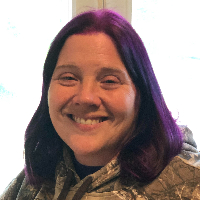
Shannon Gaiser, LPC
Recovery-informed LPC focused on practical change
Opens BetterHelp in a new tab, where you can review online therapy options.
- 17 years experience
- Addiction and mood focus
- Goal oriented support
About Shannon
She uses straightforward, goal-oriented work that focuses on what is most useful to each person. Shannon combines client-centered approaches with cognitive behavioral techniques and motivational interviewing to help people manage cravings, reduce harmful patterns, and build healthier habits. Mindfulness and acceptance strategies are added when they fit the person's goals.
Her background includes nearly a decade in inpatient and outpatient rehab settings and years of private practice supporting medication-assisted treatment approaches. That experience informs how she supports people dealing with substance use, co-occurring mood symptoms, trauma, and family relationship struggles. She also offers guidance around parenting, career strain, grief, and major life transitions.
Sessions aim to identify small, practical steps a person can take between meetings. Shannon often helps people learn new coping skills, set boundaries, and practice communication that reduces conflict. She encourages honest conversation about setbacks and uses motivational interviewing to strengthen commitment to change.
People who prefer direct coaching, structured skill work, and empathy from someone with lived experience often find her approach helpful. Her practice supports individuals navigating addiction, anxiety, depression, midlife changes, and relationship stress.
Areas of expertise
Primary focus
Also works with
Additional focus areas
Therapeutic approaches
Experience
17+ years
Credentials
Pennsylvania
Languages
English
How her approaches translate to online work
Acceptance and Commitment Therapy (ACT) focuses on helping people accept difficult thoughts and feelings while clarifying personal values. It is useful for navigating life transitions, midlife questions, and persistent worry. Cognitive Behavioral Therapy (CBT) looks at how thoughts and behaviors interact and teaches concrete skills to change unhelpful patterns. It is often used for anxiety, depression, and coping with cravings. Motivational Interviewing is a collaborative way to strengthen a person’s own reasons for change and is commonly used in addiction work.Finding the right approach is part of the work. The therapist will talk with each person about what feels most helpful and then shape sessions around goals and preferences. That collaborative process means methods can be combined and adjusted over time as needs shift.
Confirm the session formats before booking because this listing does not specify formats. Online therapy can make it easier to fit sessions into a busy life - for example a shorter phone check-in during a lunch break or a video session when deeper interaction is needed. Remote work can reduce commute time and help people maintain continuity of care while balancing family, work, and medical appointments.
Frequently asked questions
What concerns does Shannon commonly help with?
She works with stress, anxiety, addictions, depression, relationship and family issues, trauma and grief. Additional focuses include codependency, communication problems, divorce and substance use concerns.
How would you describe her therapeutic style?
Her style is direct and practical, combining client-centered conversation with cognitive behavioral techniques and motivational interviewing. Mindfulness and acceptance strategies are used when they match a person's goals.
What is her professional background?
She has 17 years of clinical experience, including nine years in inpatient and outpatient rehab and years in private practice supporting medication-assisted treatment. She also draws on personal recovery experience.
Where is she based and what credential does she hold?
She practices in Pennsylvania and holds the LPC credential, which stands for Licensed Professional Counselor.
Which languages are supported for sessions?
Sessions are offered in English and Shannon accepts international clients.
What session formats are available?
Please confirm current session options before booking, as formats are not specified here. The listing advises checking directly to know which meeting methods are offered.
How is pricing handled?
Cost varies with location and therapist arrangements; sessions use a subscription that can be canceled at any time. Exact pricing details should be checked during the sign-up process.
How do I begin working together?
Use the Start Therapy button, complete a short matching questionnaire, and schedule according to therapist availability. That process initiates contact and helps match goals and logistics.