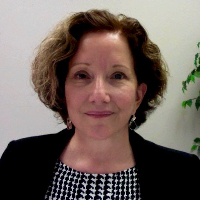
Susan Frambes, LCSW
Experienced LCSW helping people through life changes
Opens BetterHelp in a new tab, where you can review online therapy options.
- Practical talk therapy
- Trauma-informed care
- Mindfulness and CBT
About Susan
Susan focuses on straightforward talk therapy. She listens closely, helps people name what is causing pain, and works with them to try things that can ease day-to-day stress. She uses clear, practical methods rather than jargon. Sessions aim to be a place to sort through feelings, build coping skills, and find steps forward.
Her background includes long-term work with adults who have experienced childhood trauma, physical or emotional abuse, stalking, and domestic violence. That history informs how she approaches safety, pacing, and rebuilding trust in relationships. She has also worked with people facing losses, shame, and complicated family dynamics.
Therapeutic tools she commonly draws on include cognitive behavioral techniques, mindfulness practices, and trauma-focused approaches. She adapts methods to each person’s needs and focuses on skills that can be used between sessions. Her style tends to be supportive, direct, and practical.
Susan welcomes conversations about career strain, caregiving stress, body image and eating concerns, sleep problems, and compassion fatigue. People who want a steady, experienced clinician to talk through life changes and midlife questions may find her approach helpful.
Areas of expertise
Primary focus
Also works with
Additional focus areas
Therapeutic approaches
Experience
30+ years
Credentials
New Jersey
Languages
English
How therapeutic methods translate to online care
Client-Centered Therapy lets the person lead the conversation while the therapist reflects and supports their goals. It’s useful for people who want a calm, listening presence and sessions focused on understanding what matters to them.Cognitive Behavioral Therapy (CBT) focuses on noticing unhelpful thoughts and testing new behaviors. CBT can help with anxiety, depression, stress, sleep, and problems with motivation by giving clear tools and short exercises to try between meetings.
Trauma-Focused Therapy concentrates on safety, pacing, and processing hard memories in ways tailored to each person. It is often used when someone has a history of abuse, stalking, or other traumatic events and needs careful, step-by-step support.
Finding the right approach is part of the work together. The therapist will talk with the person about their goals, past experiences, and what feels manageable. Then the therapist and client decide collaboratively which methods to use and adjust them as needed.
Confirm the current session options before booking since formats are not specified here. Online work can help fit therapy into a busy life by reducing travel time and making it easier to schedule brief check-ins or regular sessions. It also allows people to keep continuity of care when routines change, while the therapist focuses on practical tools and real-life steps.
Frequently asked questions
What kinds of concerns does she help with?
Susan supports people facing depression, anxiety, addictions, grief, relationship and family issues, and midlife transitions. She also addresses trauma, abuse, body image, and sleep or eating concerns.
How would you describe her therapeutic style?
Her approach is straightforward and supportive. She listens closely, helps name problems, and offers practical tools people can use between sessions.
What is her professional background?
She has about 30 years of experience working with adults who have faced childhood trauma, domestic violence, stalking, addiction, and major life changes.
Where is she licensed and based?
She is a licensed clinical social worker, LCSW, licensed in New Jersey and practices there.
Which languages are offered for sessions?
Sessions are offered in English.
Does she work with international clients?
She does not accept international clients at this time.
How are fees handled?
Cost varies with location and therapist availability; sessions use a subscription that can be canceled at any time.
What steps do I take to begin?
Select the Start Therapy button, complete a short matching questionnaire, and schedule according to the therapist's availability.