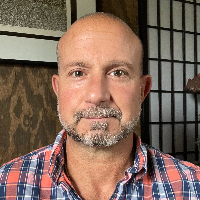
Timothy Welch, LPCC
Experienced counselor focused on practical recovery
Opens BetterHelp in a new tab, where you can review online therapy options.
- Midlife change support
- Addiction and recovery
- Available internationally
About Timothy
Welch has long experience supporting people dealing with addiction, depression, anxiety, grief, trauma, bipolar concerns, and life transitions. He also offers help for stress, self-esteem, relationship and family issues, sleep and eating concerns, parenting questions, ADHD management, and career or spirituality struggles. His background includes work in private practice, rehabilitation settings, crisis intervention, and community programs.
Clients can expect a straightforward approach that combines listening with practical tools. He describes therapy as a two-way street where goals are set together. He also provides coaching services outside clinical counseling for added accountability and skill-building through a coaching platform and app.
He trained in counseling and human development and has a Bachelor’s degree in psychology and a Master’s degree in counseling and human development. His experience spans hospitals, substance use treatment programs, shelters, and group work with youth and adults. This broad background informs his work with trauma and recovery.
Timothy accepts international clients and works with people in Ohio. He notes that session fees vary with location and that a subscription model is used for sessions, which can be canceled at any time. To begin, prospective clients complete a short matching questionnaire and schedule according to therapist availability.
Areas of expertise
Primary focus
Also works with
Additional focus areas
Therapeutic approaches
Experience
22+ years
Credentials
Ohio
Languages
English
How therapeutic approaches guide online work
Client-Centered Therapy focuses on understanding each person’s perspective and building a supportive space where goals are set together. This approach helps when someone needs a counselor who listens closely and adapts to their pace.Cognitive Behavioral Therapy, or CBT, looks at how thoughts, feelings, and actions connect and teaches tangible skills to change unhelpful patterns. It is often used for anxiety, depression, stress, and certain behavior changes. Dialectical Behavior Therapy, or DBT, adds specific skills for regulation, distress tolerance, and improving relationships, which can help with strong emotions and interpersonal challenges.
Finding the right approach is part of the work. Timothy will collaborate with each person to choose methods that match their needs, goals, and preferences rather than imposing a single path. That collaboration continues as goals change over time.
Online sessions can make it easier to fit therapy into a busy schedule and to keep momentum between appointments. Because session formats are not specified here, confirm current options before booking so you know what is offered. Many people find online therapy helpful for consistent check-ins, learning practical skills, and managing ongoing recovery without extra travel time.
Frequently asked questions
What kinds of concerns does Timothy address?
He helps people facing stress, anxiety, addiction, depression, grief, trauma, bipolar issues, relationship and family concerns, ADHD, and many life changes.
What is his general approach in sessions?
He uses a collaborative, person-centered style that pairs listening with practical tools and goals set together with the client.
How much clinical experience does he have?
He has 22 years of experience working in private practice, rehabilitation programs, crisis intervention, hospitals, and community services.
What credential does he hold and where is he located?
He is an LPCC and practices in Ohio.
Which languages are sessions offered in?
Sessions are offered in English and international clients are accepted.
What session formats are available?
Please confirm current session options before booking so you know which formats are offered for your needs.
How are sessions paid for and what does it cost?
Cost varies with location and therapist factors; sessions use a subscription that can be canceled at any time.
What are the first steps to begin?
Select the Start Therapy button, complete a short matching questionnaire, and schedule according to therapist availability.