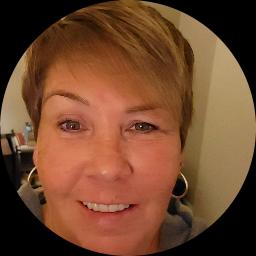
Tina Rowan, LPC
Midlife and life-change counseling
Opens BetterHelp in a new tab, where you can review online therapy options.
- Practical coping skills
- Support through transition
- Nonjudgmental listening
About Tina
In sessions she focuses on creating an open, nonjudgmental space where clients can say what they really think and feel. Conversations are practical and down-to-earth. She works with people to identify patterns that cause distress and to try new ways of handling difficult moments.
Her background includes broad experience addressing anger, compassion fatigue, eating and body image concerns, and caregiver stress. She also helps people with codependency, communication problems, control issues, and moving through divorce or separation. Tina has helped clients cope with addictive behaviors, panic attacks, bipolar and depressive symptoms, and questions about life purpose.
Tina keeps work straightforward and goal-focused. She supports clients who want concrete tools for managing strong emotions, improving relationships, or navigating major life transitions. She emphasizes small, practical steps that fit into everyday life.
People who meet with Tina can expect respectful listening and collaborative goal setting. She encourages honest conversation about setbacks and progress, and adjusts the pace to each person’s needs.
Areas of expertise
Primary focus
Also works with
Additional focus areas
Experience
15+ years
Credentials
Pennsylvania
Languages
English
Approaches that guide online work and choice
Evidence-based therapeutic techniques often used to address the kinds of concerns Tina lists include problem-focused cognitive strategies and emotion-focused approaches. Problem-focused cognitive strategies help people notice unhelpful thoughts and try small experiments to change behaviors; these techniques can help with anxiety, panic, low mood, and decision-making during life transitions.Emotion-focused approaches support naming and tolerating strong feelings and learning ways to soothe distress. This kind of work is useful for grief, anger, relationship friction, compassion fatigue, and issues tied to self-worth or body image.
Choosing the right approach is a collaborative process. The therapist will discuss what feels most useful, try different methods when needed, and adjust plans based on the client’s goals and preferences.
If you are considering online therapy, confirm the session options before booking since formats were not specified in the biography. In general, working with a licensed professional online can make it easier to fit appointments into a busy life, reduce travel time, and allow short check-ins between other commitments. Some clients find video sessions helpful for deeper conversation, while others prefer audio for lower bandwidth or easier scheduling. Discussing practical needs with the therapist helps match the approach and format to everyday routines.
Frequently asked questions
What concerns does Tina help with?
Tina works with stress, anxiety, addictions, anger, grief, relationship and intimacy issues, self-esteem, career struggles, mood disorders, and midlife transitions. She also addresses attachment issues, body image, caregiver stress, and codependency.
How would you describe her therapy style?
Her style is open and practical. She creates a nonjudgmental space, listens closely, and helps clients try realistic, everyday strategies to manage emotions and relationships.
What is her professional background?
She has 15 years of professional experience working with a variety of concerns including addictions, panic attacks, bipolar and depressive symptoms, and life changes.
What are her credentials and location?
She is a Licensed Professional Counselor (LPC) licensed in Pennsylvania.
Which languages are sessions offered in?
Sessions are offered in English.
Does she work with clients outside the United States?
International clients are not currently accepted.
How does cost and billing work?
Cost varies with location and therapist availability; sessions use a subscription that can be canceled at any time.
What steps are needed to begin therapy?
To begin, select the Start Therapy button, complete a short matching questionnaire, and schedule according to therapist availability.