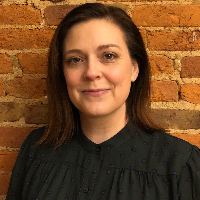
Wendy Gaunt, LPC
Midlife questions and life transitions
Opens BetterHelp in a new tab, where you can review online therapy options.
- Warm and direct
- Strengths focused
- Practical steps
About Wendy
Her style is warm and direct. Wendy describes counseling as a partnership where the client's strengths guide the work. Sessions focus on the person's lived experience, decisions they have already made, and practical steps forward rather than labels or blame.
Wendy draws on a mix of approaches to match each person's needs. She uses Acceptance and Commitment Therapy, cognitive behavioral techniques, attachment-focused ideas, existential questions, and a client-centered stance to help people notice patterns and try new behaviors. The goal is clearer choices and more satisfying day-to-day life.
In sessions she listens closely, asks pointed questions, and is willing to tackle hard topics. She emphasizes compassion and empowerment while also encouraging change. People can expect a supportive setting where progress is paced to what feels manageable.
Wendy has five years of experience as a clinical mental health counselor. She has worked in varied settings and with a wide range of concerns, including sexuality and gender issues, trauma, and relationship difficulties. She invites clients to take the next step toward practical change and renewed purpose.
Areas of expertise
Primary focus
Also works with
Additional focus areas
Therapeutic approaches
Experience
5+ years
Credentials
Pennsylvania
Languages
English
How Wendy Uses Evidence-Based Approaches Online
Acceptance and Commitment Therapy (ACT) helps people notice difficult thoughts without getting stuck on them and to choose actions that match their values. It can be useful for anxiety, midlife uncertainty, and depression by shifting focus toward meaningful activity. Cognitive Behavioral Therapy (CBT) looks at the links between thoughts, feelings, and behaviors and teaches practical skills for changing unhelpful patterns. CBT is often used for worry, low mood, and stress management. Attachment-Based Therapy pays attention to how early relationship patterns affect current connections and helps people develop healthier ways of relating in the present.Choosing the right approach is part of the work. Wendy treats therapy as a collaboration and will help figure out which methods fit a client's goals and personality. That may mean combining ideas from different approaches and adjusting as progress is made.
Confirm current session options before booking since formats are not specified in the biography. Online therapy can make it easier to fit appointments into a busy day, reduce travel time, and allow shorter check-ins when schedules are tight. It also lets clients try different methods from home or during a break at work without needing extra commute time. Licensed professionals can adapt ACT, CBT, and attachment-focused work to an online setting so that practical skills and reflective conversations continue between sessions.
Frequently asked questions
What kinds of problems does Wendy address?
She supports people with midlife concerns, depression, anxiety, trauma, relationship and intimacy issues, grief, and addictions among other challenges.
How would you describe her therapeutic style?
Her approach is collaborative, warm, and straightforward. Sessions emphasize strengths, practical steps, and conversations that can be challenging when needed.
What experience does she bring to therapy?
Wendy has five years of experience as a clinical mental health counselor working in a range of settings with diverse concerns.
What credentials and where does she practice?
She is a Licensed Professional Counselor, LPC, practicing in Pennsylvania.
Which languages are used in sessions?
Sessions are offered in English.
Can international clients work with her?
She is not accepting international clients at this time.
How are session costs handled?
Cost varies with location and therapist availability; sessions use a subscription that can be canceled at any time.
What are the first steps to begin therapy?
Select the Start Therapy button, complete a short matching questionnaire, and schedule according to therapist availability.