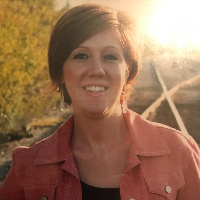
Wendy Key, LPC
Compassionate counselor for life transitions
Opens BetterHelp in a new tab, where you can review online therapy options.
- Faith-centered approach
- Practical coping skills
- Values-focused work
About Wendy
In sessions she helps people talk through day-to-day pressures and bigger turning points. That can include work stress, relationship tensions, grief, or questions about life purpose. She also supports people working on self-esteem, recovery from addictive behaviors, and coping with trauma.
Her style is straightforward and respectful. She offers a faith-centered, conservative environment for those who prefer that framework. The goal is practical: build coping skills, improve communication, and reduce the burdens that keep someone stuck.
Wendy draws on several evidence-informed ways of working. She uses tools from cognitive behavioral approaches to identify unhelpful thinking. She also uses acceptance-based methods to help people live more in line with their values.
Sessions often include skill practice and real-life planning. Clients work on clear next steps between meetings. Over time the process aims to increase emotional resilience and daily functioning.
People come to her for many concerns, including midlife transitions and career shifts. She encourages questions about fit and approach before starting therapy, so goals and expectations are clear.
Areas of expertise
Primary focus
Also works with
Additional focus areas
Therapeutic approaches
Experience
12+ years
Credentials
Texas
Languages
English
How therapy approaches guide online work
Wendy uses Acceptance and Commitment Therapy (ACT) to help people notice painful thoughts and feelings without getting stuck in them, then choose actions that match their values. ACT can be helpful for anxiety, depression, and transitions. She also draws on Cognitive Behavioral Therapy (CBT) to identify unhelpful thought patterns and teach practical skills for managing mood and behavior. CBT often helps with stress, sleep, and coping with daily problems.Finding the right approach is a collaborative process. The therapist will listen to your goals and preferences and suggest paths to try. Together you can adjust methods as needs change so the work stays relevant and useful.
If you are considering online sessions, confirm the current session options before booking. Discussing format and timing early makes it easier to fit therapy into a busy life. Online work can reduce travel time, allow shorter check-ins when needed, and help people keep momentum between appointments. Licensed professionals adapt exercises, homework, and communication to work well when you are not meeting in person.
Frequently asked questions
What kinds of problems does Wendy address?
She helps people coping with stress, anxiety, depression, addictions, grief, and life changes, as well as relationship and intimacy-related issues.
How would you describe her therapy style?
Her style is straightforward and respectful, with a faith-centered, conservative tone when clients prefer it. Sessions focus on skill-building and practical steps people can try between visits.
What is her professional background?
She has 12 years of experience working with a range of concerns including trauma, addiction recovery, self-esteem, and midlife transitions.
What credentials and region should I know about?
She is a Licensed Professional Counselor, LPC, practicing in Texas.
Which languages are available for sessions?
Sessions are offered in English.
Can people from other countries work with her?
She does not accept international clients at this time.
How are fees and payment handled?
Cost varies with location and therapist availability; sessions use a subscription that can be canceled at any time.
How do I begin therapy with her?
Select the Start Therapy button, complete a short matching questionnaire, and schedule according to therapist availability.