
Laticia Bickham
LPCDistrict of Columbia · 22 yrs exp
Compassionate counselor focusing on practical change
Relationship · Family · Parenting · Anger · +5 more
Read profileTherapist listings are provided by BetterHelp. We will earn a commission at no additional cost to you if you use our links to purchase.
Welcome to our directory of online therapists serving the District of Columbia. All therapists listed here are licensed; explore individual profiles to compare approaches, focus areas, credentials, languages and experience that match your needs.
District of Columbia · 22 yrs exp
Compassionate counselor focusing on practical change
Relationship · Family · Parenting · Anger · +5 more
Read profile
District of Columbia · 25 yrs exp
Compassionate guide through midlife transitions
Addictions · Relationship · Family · Intimacy-related issues · +4 more
Read profile
District of Columbia · 24 yrs exp
Bilingual LICSW focusing on trauma and life changes
Relationship · Trauma and abuse · Intimacy-related issues · Self esteem · +4 more
Read profile
District of Columbia · 30 yrs exp
Experienced LICSW guiding midlife transitions
Stress, Anxiety · Relationship · Self esteem · Depression · +12 more
Read profile
District of Columbia · 10 yrs exp
Compassionate counselor using strengths and faith when wanted
Stress, Anxiety · Relationship · Grief · Intimacy-related issues · +9 more
Read profile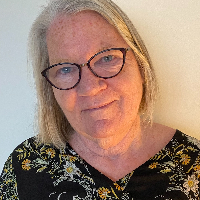
District of Columbia · 30 yrs exp
Experienced LICSW helping people through life transitions
Family · Parenting · Career · Coping with life changes · +13 more
Read profile
District of Columbia · 5 yrs exp
Midlife and life-change focused LICSW
Stress, Anxiety · Relationship · Family · Self esteem · +11 more
Read profile
District of Columbia · 24 yrs exp
Compassionate LICSW guiding practical life changes
Stress, Anxiety · Relationship · Family · Trauma and abuse · +15 more
Read profile
District of Columbia · 30 yrs exp
Experienced LPC focused on steady progress
Stress, Anxiety · Addictions · Trauma and abuse · Parenting · +15 more
Read profile
District of Columbia · 25 yrs exp
Practical guidance for midlife and life transitions
Stress, Anxiety · Parenting · Self esteem · Career · +1 more
Read profile
District of Columbia · 6 yrs exp
Compassionate, practical support for life changes
Stress, Anxiety · Depression · Coping with life changes · LGBT · +13 more
Read profile
District of Columbia · 20 yrs exp
Midlife transitions and relationship clarity
Stress, Anxiety · Relationship · Family · Self esteem · +1 more
Read profile
District of Columbia · 35 yrs exp
Experienced therapist for midlife challenges
Stress, Anxiety · Relationship · Family · Self esteem · +1 more
Read profile
District of Columbia · 10 yrs exp
Midlife-focused LICSW offering practical support
Stress, Anxiety · Relationship · Grief · Self esteem · +1 more
Read profile
District of Columbia · 24 yrs exp
Experienced LICSW guiding clearer choices
Stress, Anxiety · Relationship · Self esteem · Depression · +1 more
Read profile
District of Columbia · 15 yrs exp
Dedicated guide through life transitions
Stress, Anxiety · Relationship · Grief · Self esteem · +1 more
Read profileOnline therapy has become a well established option for people living in the District of Columbia, offering a way to connect with licensed mental health professionals from home, work, or another location that works for you. Practitioners who provide teletherapy may offer sessions by video or phone and often list a range of approaches and specialty areas on their profiles so you can get a sense of their experience and focus. Because licensing rules govern where clinicians may practice, many therapists who appear in D.C. listings are licensed by District boards to work with residents here. If you live in the District of Columbia and prefer not to travel to an office, online therapy can allow you to find someone whose background and approach align with your priorities without geographic limits within the jurisdiction where they are permitted to practice.
When you use an online directory to explore options, you will typically find short biographies, professional credentials, approaches the therapist lists, language skills and descriptions of populations they serve. These details help you form an initial impression of whether a clinician’s orientation and experience may be a fit for the kinds of concerns you want to address. Keep in mind that a therapist’s profile summarizes what they emphasize in practice; a direct conversation can clarify how they work and whether their approach resonates with you.
Online therapy can remove many logistical barriers that sometimes make it hard to get support. You may save commute time, avoid transit delays and integrate appointments more flexibly into a busy day if you work, care for family members or manage health conditions. For people in the District of Columbia who live in areas with limited local options for certain specialties, video or phone sessions make it easier to reach clinicians who list particular approaches, such as cognitive behavioral strategies, psychodynamic perspectives or integrative work, without traveling across the region.
Beyond convenience, online sessions can make it easier to access therapists who speak your preferred language or who have experience with the life stage and identity factors that matter to you. For midlife transitions, caregiving stress, relationship shifts and career changes, you can search profiles for practitioners who list relevant focus areas and then prioritize those profiles when reaching out. Technology also opens possibilities for more consistent attendance at sessions when life gets busy, and it can allow family members in different parts of the region to join a session when appropriate. As you consider teletherapy, think about the environment in which you will meet - a quiet room, reliable internet or phone connection, and privacy protections are useful so you can fully engage in the work.
Therapists who offer online services in the District of Columbia commonly support people with a wide range of concerns. You will find clinicians who list work with anxiety and stress management, depression and mood concerns, relationship difficulties, parenting challenges and midlife transitions such as career change, empty nest adjustments or evolving family responsibilities. Many profiles also indicate experience with grief and loss, coping with chronic health conditions, and navigating major life decisions. For trauma-related work, some therapists will list trauma-informed approaches among their methods; again these are descriptions of the strategies they emphasize rather than formal certifications listed here.
If you are searching for support for a specific situation, use profile keywords to identify practitioners who highlight that focus. For example, if you are dealing with caregiver fatigue, you can look for therapists who describe experience with caregiving roles and stress. If relationship concerns are central, seek clinicians who list couples or family-focused approaches. Language matters too: if you prefer therapy in a language other than English, many profiles list the languages a clinician speaks, which can be important for feeling understood and for cultural relevance in the work.
Verifying a therapist's license is an important step in choosing a clinician. You can confirm a license by checking the appropriate District of Columbia licensing board or the Department of Health's professional licensing portal. When you search a board's database, look for the clinician's full name, license type and current status. A license record will typically show whether a license is active, the license number, the date of issuance and any public disciplinary history. If a profile includes a license number, that makes searching easier, but you can also search by name.
If you encounter a name that yields multiple matches, cross-check details such as credentials and city to ensure you have identified the correct record. When you are unsure which board governs a particular credential, remember that psychologists, social workers, counselors and marriage and family therapists are overseen by different regulatory entities, and each board typically provides a searchable verification tool. If you prefer direct help, contact the licensing board by phone or email and ask for guidance on verifying a practitioner's status. Doing this step gives you factual information about licensure and any public records the regulator maintains.
Getting started usually begins with a focused review of profiles to narrow the list of clinicians who describe the approaches, focus areas and languages that matter to you. When you find a few profiles that seem promising, reach out through the contact details provided to ask brief questions about how they work. You may want to inquire about typical session length, whether they conduct sessions by video or phone, what platform they use and how they handle privacy protections. Asking for a brief initial conversation or consultation can give you a sense of communication style and whether you feel comfortable speaking with the clinician.
Choosing the right therapist often comes down to a combination of professional fit and interpersonal comfort. Pay attention to whether the clinician lists approaches and client populations that match your concerns, such as work with midlife stress, relationship transitions, or mood concerns. Notice the language used in profiles and in early conversations - do you feel understood and respected by the clinician's descriptions? Consider also the credentials and years of experience a clinician lists, and whether those align with your preferences for professional background. If you have preferences about session format, such as video versus phone, or a need for therapy in a particular language, prioritize those factors as you narrow your choices.
Practical details matter as well. Think about scheduling rhythms that will support consistency, the technology you have available for video sessions, and any accessibility needs. Ask a prospective therapist how they manage technical interruptions and what steps they take to protect client privacy and data. If you have insurance or other payment considerations, you can ask whether the clinician provides paperwork for reimbursement or can discuss fee arrangements. Finally, remember that beginning therapy is a relationship-building process; it is normal for the first few sessions to focus on assessing fit and goals, and it is reasonable to seek a different clinician if the first match does not feel right for you.
Overall, online therapy in the District of Columbia can expand your options and help you connect with clinicians who list the skills and focus areas you need. By reviewing profiles carefully, verifying licensure, asking practical questions and tuning into how you feel in an initial conversation, you can make a thoughtful choice about who to work with. If you are ready to begin, use the listings above to explore licensed online therapists who serve the District of Columbia and reach out to start a conversation about how they might support your goals.
Anger
5388 therapists
Depression
7806 therapists
Grief
6478 therapists
Guilt and Shame
7599 therapists
Intimacy Issues
4572 therapists
Isolation / Loneliness
7442 therapists
Midlife Crisis
9087 therapists
Mood Disorders
5668 therapists
Self Esteem
7754 therapists
Sleeping Disorders
2787 therapists
Stress & Anxiety
8599 therapists
Blended Family Issues
4539 therapists
Body Image
4298 therapists
Career
5319 therapists
Caregiver Issues and Stress
6051 therapists
Communication Problems
7754 therapists
Coping with Life Changes
7422 therapists
Divorce
6680 therapists
Family
6261 therapists
Family of Origin Issues
4423 therapists
Infidelity
4530 therapists
Life Purpose
8008 therapists
Money and Financial Issues
4020 therapists
Parenting
5264 therapists
Relationship
7413 therapists
Workplace Issues
6757 therapists