
Stephanie Greene
LISWSouth Carolina · 20 yrs exp
Experienced LISW focused on practical coping skills
Stress, Anxiety · Relationship · Eating · Self esteem · +10 more
Read profileTherapist listings are provided by BetterHelp. We will earn a commission at no additional cost to you if you use our links to purchase.
Welcome if you are seeking online therapy options in South Carolina. All therapists listed on this page are licensed to practice in the state, and you can explore profiles to learn about their approaches, focus areas, credentials, and languages.
South Carolina · 20 yrs exp
Experienced LISW focused on practical coping skills
Stress, Anxiety · Relationship · Eating · Self esteem · +10 more
Read profile
South Carolina · 13 yrs exp
Compassionate, direct clinical social worker
Stress, Anxiety · Family · Parenting · Self esteem · +10 more
Read profile
South Carolina · 8 yrs exp
Practical support for midlife change and stress
Stress, Anxiety · Relationship · Family · Coping with life changes · +11 more
Read profile
South Carolina · 25 yrs exp
Compassionate counselor for life transitions
Stress, Anxiety · LGBT · Relationship · Trauma and abuse · +9 more
Read profile
South Carolina · 13 yrs exp
Compassionate counselor for midlife change
Self esteem · Stress, Anxiety · Relationship · Family · +11 more
Read profile
South Carolina · 25 yrs exp
Compassionate counselor for life transitions
Stress, Anxiety · Addictions · Depression · Coping with life changes · +10 more
Read profile
South Carolina · 25 yrs exp
Practical, direct therapy focused on meaningful change
Addictions · Relationship · Grief · Self esteem · +9 more
Read profile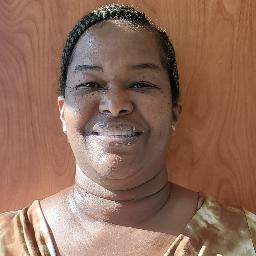
South Carolina · 9 yrs exp
Practical support for life transitions and relationships
Stress, Anxiety · Relationship · Family · Parenting · +13 more
Read profile
South Carolina · 10 yrs exp
Thoughtful counselor focused on practical change
Stress, Anxiety · Addictions · Relationship · Depression · +10 more
Read profile
South Carolina · 17 yrs exp
Compassionate counselor for life transitions
Stress, Anxiety · Grief · Anger · Self esteem · +8 more
Read profile
South Carolina · 9 yrs exp
Midlife-aware licensed social worker
Stress, Anxiety · Relationship · Grief · Anger · +8 more
Read profile
South Carolina · 6 yrs exp
Midlife and life-transition focused counselor
Stress, Anxiety · Relationship · Trauma and abuse · Self esteem · +9 more
Read profile
South Carolina · 8 yrs exp
Guiding steady change in midlife and beyond
Stress, Anxiety · Relationship · Self esteem · Depression · +10 more
Read profile
South Carolina · 5 yrs exp
Supportive clinical social worker for midlife concerns
Stress, Anxiety · Relationship · Trauma and abuse · Anger · +1 more
Read profile
South Carolina · 6 yrs exp
Practical support for major life transitions
Stress, Anxiety · Family · Trauma and abuse · Anger · +14 more
Read profile
South Carolina · 39 yrs exp
Helping people navigate major life shifts
Stress, Anxiety · Grief · Depression · Coping with life changes · +14 more
Read profile
South Carolina · 5 yrs exp
Compassionate counselor for major life transitions
Stress, Anxiety · Trauma and abuse · Self esteem · Depression · +1 more
Read profile
South Carolina · 20 yrs exp
Midlife crossroads and meaning focused
Stress, Anxiety · Grief · Self esteem · Depression · +10 more
Read profile
South Carolina · 10 yrs exp
Compassionate counselor for midlife and transition concerns
Stress, Anxiety · Addictions · Grief · Depression
Read profile
South Carolina · 40 yrs exp
Warm LPC for life transitions
Stress, Anxiety · Intimacy-related issues · Self esteem · Depression · +1 more
Read profile
South Carolina · 9 yrs exp
Restoring connection and easing shame
Stress, Anxiety · Family · Trauma and abuse · Grief · +13 more
Read profile
South Carolina · 14 yrs exp
Compassionate counselor focused on life transitions
Stress, Anxiety · Trauma and abuse · Self esteem · Depression · +1 more
Read profile
South Carolina · 16 yrs exp
Midlife transition support with practical focus
Relationship · Family · Trauma and abuse · Grief · +9 more
Read profile
South Carolina · 20 yrs exp
Midlife and life-change counselor
Stress, Anxiety · LGBT · Relationship · Trauma and abuse · +14 more
Read profileOnline therapy has become a common way to access professional mental health support across South Carolina. Whether you live in a coastal town, a rural county, or an urban center like Charleston, Greenville, or Columbia, many licensed clinicians provide services through video, phone, or text-based formats. State licensing rules require that a clinician be licensed in South Carolina to offer ongoing care to residents of the state, and that requirement shapes how therapists structure their online services. The technology used can vary from standard video calls that resemble in-person sessions to messaging or brief check-in formats that complement synchronous work. Platforms and communication styles differ, but the central idea is that you can connect with a licensed clinician who lists relevant approaches and specialties even if they are not located in your immediate area.
If you are new to online therapy, you will find profiles that describe a therapist's education, license type, areas of focus, and the therapeutic approaches they list. Those descriptions can help you narrow your search. Some clinicians emphasize work with midlife transitions, caregiving stress, relationship shifts, chronic illness management, or grief. Others highlight methods they use, and many list the languages they speak, which can be especially important if you prefer counseling in a language other than English. Although each clinician manages their practice differently, the availability of online options expands the pool of professionals you can consider from across the state while still keeping the practice within South Carolina licensing guidelines.
Choosing online therapy can offer practical benefits that matter in daily life. You can save commute time, avoid traffic on major corridors, and fit sessions into your schedule without the need to travel across town. For people living in more remote counties, online access can reduce geographic barriers and increase the likelihood of finding someone who lists expertise relevant to your situation. The convenience of meeting from home or another comfortable environment can also make it easier to maintain consistency in care when life gets busy.
Online therapy often allows you to match with therapists who list specific focus areas that align with your needs. For example, you might find clinicians who emphasize support for midlife career changes, relationship transitions, or coping with chronic health conditions. If language, cultural background, or life stage matters to you, profiles can help you find therapists who mention those attributes. The flexibility of online formats can also support continuity when life circumstances change - for instance, if you relocate within South Carolina or need to manage caregiving responsibilities while staying engaged in therapy. While online work is not right for every situation, many people find that it broadens their options and makes it simpler to sustain a therapeutic relationship.
Therapists who offer online services and list their areas of focus commonly work with a wide range of concerns. You can expect to find clinicians who help with mood-related issues such as anxiety and depression, and with life transitions like divorce, retirement, caregiving shifts, and relocation. Many therapists work with relationship challenges, including communication difficulties, partner transitions, and blended family dynamics. Midlife-specific concerns such as identity changes, empty nest adjustments, and evolving career goals are also frequently mentioned.
Other common themes include coping with grief and loss, managing chronic health conditions and the emotional impact they bring, and addressing stress related to caregiving for aging parents. Some therapists note that they work with trauma-related symptoms or adjustment after difficult events; when you see approaches listed, remember that these are the methods the clinician uses rather than a statement of certification. Practically speaking, the online format can support short-term skills-based work as well as longer-term therapeutic relationships, depending on what you and a clinician agree will be most helpful.
Verifying a therapist's license is an important step in choosing a clinician. Licenses in South Carolina may include professional counselor, clinical social worker, marriage and family therapist, or psychologist, and each license type has a distinct regulatory board. Profiles often include the license type and a license number. You can use that information to look up the license through the South Carolina licensing board system to confirm that the license is active and to see whether any disciplinary actions are recorded.
A practical approach is to note the license type and number listed in a profile, then search the state's online license lookup tool. The lookup will typically show the license status, expiration date, and any public board actions. If the profile does not list a license number, you can ask the clinician directly for that detail and then verify it yourself. Understanding the license type helps you know the likely scope of practice for the professional you are considering. If you have questions about the differences among license types, the state boards and their published resources usually explain what each license allows and what credentials are required.
Before contacting a therapist, take a moment to clarify what you hope to address in therapy and which practical factors matter to you. Look at profiles to learn about each therapist's focus areas, the approaches they list, and the languages they speak. Consider whether you prefer a clinician with experience in areas such as relationship counseling, caregiving stress, or midlife transitions. Having a few priorities in mind will make initial conversations more efficient.
When you reach out to a clinician, ask about session length, typical scheduling patterns, fees, and whether they accept insurance or offer a sliding scale. You can also inquire about the technology they use for online sessions and whether they offer video, phone, or messaging options. It is reasonable to ask how they approach safety and crisis situations and what steps they recommend if you need urgent help between sessions. These questions help you understand practical expectations without relying on short-term operational details.
Choosing a therapist is a personal process, and many people find it helpful to treat the first few conversations as opportunities to assess fit. Pay attention to whether a clinician's stated approach and areas of focus align with your priorities, and notice whether you feel heard in early interactions. Some people prefer a therapist who emphasizes practical skills and short-term goals, while others want a clinician who focuses on exploration and insight. Profiles that list approaches can help you identify potential matches - for example, you may find therapists who list mindfulness-based strategies, cognitive-oriented methods, or relational approaches. When you see a modality listed, remember that listing an approach does not indicate a particular credential or level of training. It simply describes the ways a clinician commonly works.
Consider cultural and language matching if those elements matter to you. Many profiles include languages spoken and population focus, which can make it easier to find someone who understands your cultural context or life stage. Think about the communication style that will work for you - whether you prefer a structured, goal-oriented clinician or a more reflective, exploratory approach - and look for cues in profiles and initial conversations. Practical matters like fees and technology preferences are also important because they affect whether you can sustain sessions over time. Finally, it is okay to try a few conversations with different clinicians to determine who feels like the best fit for your needs.
Online therapy in South Carolina expands what is possible for many people seeking support. By learning how licensing works, clarifying your priorities, and using therapist profiles to match focus areas and approaches, you can find a clinician whose skills and style fit your needs. If you have further questions about the search process, take advantage of introductory conversations to gather the information you need to move forward with clarity.
Anger
5388 therapists
Depression
7806 therapists
Grief
6478 therapists
Guilt and Shame
7599 therapists
Intimacy Issues
4572 therapists
Isolation / Loneliness
7442 therapists
Midlife Crisis
9087 therapists
Mood Disorders
5668 therapists
Self Esteem
7754 therapists
Sleeping Disorders
2787 therapists
Stress & Anxiety
8599 therapists
Blended Family Issues
4539 therapists
Body Image
4298 therapists
Career
5319 therapists
Caregiver Issues and Stress
6051 therapists
Communication Problems
7754 therapists
Coping with Life Changes
7422 therapists
Divorce
6680 therapists
Family
6261 therapists
Family of Origin Issues
4423 therapists
Infidelity
4530 therapists
Life Purpose
8008 therapists
Money and Financial Issues
4020 therapists
Parenting
5264 therapists
Relationship
7413 therapists
Workplace Issues
6757 therapists