
Kelley Sullivan
LCSWColorado · 19 yrs exp
Compassionate therapist for life transitions
Stress, Anxiety · Relationship · Trauma and abuse · Grief · +12 more
Read profileTherapist listings are provided by BetterHelp. We will earn a commission at no additional cost to you if you use our links to purchase.
Welcome to MidlifeTherapists.com’s directory of online therapists serving Colorado. All therapists listed here are licensed in Colorado and represent a range of credentials, specialties and approaches. Explore the listings to find professionals whose focus and methods match what you are looking for.
Colorado · 19 yrs exp
Compassionate therapist for life transitions
Stress, Anxiety · Relationship · Trauma and abuse · Grief · +12 more
Read profile
Colorado · 11 yrs exp
Compassionate, practical therapy for life transitions
Stress, Anxiety · LGBT · Trauma and abuse · Anger · +15 more
Read profile
Colorado · 15 yrs exp
Guiding clear choices during life transitions
Stress, Anxiety · Grief · Depression · Coping with life changes · +10 more
Read profile
Colorado · 10 yrs exp
Collaborative counselor focused on real-life coping
Stress, Anxiety · Addictions · Trauma and abuse · Grief · +14 more
Read profile
Colorado · 13 yrs exp
Experienced therapist for life changes
Stress, Anxiety · LGBT · Relationship · Trauma and abuse · +10 more
Read profile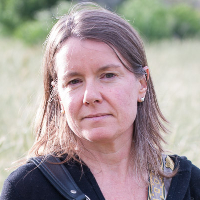
Colorado · 20 yrs exp
Experienced LCSW for life transitions
Stress, Anxiety · Trauma and abuse · Grief · Depression · +15 more
Read profile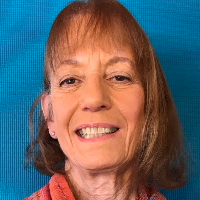
Colorado · 15 yrs exp
Hopeful guidance for midlife change
Stress, Anxiety · Addictions · Trauma and abuse · Anger · +6 more
Read profile
Colorado · 8 yrs exp
Midlife focus with practical experiments
Stress, Anxiety · Trauma and abuse · Grief · Self esteem · +14 more
Read profile
Colorado · 10 yrs exp
Therapist focused on relationship change
Stress, Anxiety · Relationship · Trauma and abuse · Self esteem · +13 more
Read profile
Colorado · 5 yrs exp
Understanding guidance for life transitions
Stress, Anxiety · Addictions · Self esteem · Bipolar · +11 more
Read profile
Colorado · 8 yrs exp
Warm, practical therapy for life transitions
Stress, Anxiety · Relationship · Trauma and abuse · Grief · +16 more
Read profile
Colorado · 19 yrs exp
Guiding steady change through midlife and transitions
Stress, Anxiety · Relationship · Grief · Self esteem · +5 more
Read profile
Colorado · 12 yrs exp
Practical guidance for stress and life transitions
Stress, Anxiety · Trauma and abuse · Self esteem · Depression · +1 more
Read profile
Colorado · 4 yrs exp
Midlife shifts with practical support
Stress, Anxiety · Trauma and abuse · Career · Depression · +8 more
Read profile
Colorado · 7 yrs exp
Practical support for stress and relationships
Stress, Anxiety · Relationship · Family · Anger · +4 more
Read profile
Colorado · 26 yrs exp
Centered counselor for midlife and relationships
Stress, Anxiety · Addictions · Relationship · Intimacy-related issues · +1 more
Read profile
Colorado · 14 yrs exp
Midlife transitions and life change support
Stress, Anxiety · Relationship · Grief · Depression · +12 more
Read profile
Colorado · 14 yrs exp
Guiding practical change with empathy
Stress, Anxiety · Addictions · LGBT · Relationship · +1 more
Read profile
Colorado · 10 yrs exp
Practical, identity-aware counseling for life changes
Stress, Anxiety · Trauma and abuse · Self esteem · Depression · +16 more
Read profile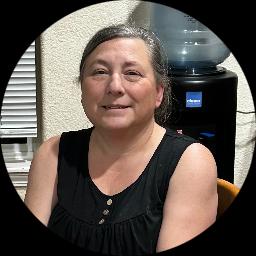
Colorado · 30 yrs exp
Compassionate, experienced grief and stress support
Stress, Anxiety · Trauma and abuse · Grief · Self esteem · +1 more
Read profile
Colorado · 5 yrs exp
Midlife and life-change focused counselor
Stress, Anxiety · Trauma and abuse · Anger · Depression · +1 more
Read profile
Colorado · 5 yrs exp
Midlife and life-change counselor
Stress, Anxiety · Family · Parenting · Self esteem · +1 more
Read profile
Colorado · 9 yrs exp
Trusted counselor for midlife challenges
Stress, Anxiety · Relationship · Intimacy-related issues · Anger · +1 more
Read profile
Colorado · 6 yrs exp
Compassionate counselor for life transitions
Stress, Anxiety · Relationship · Parenting · Self esteem · +5 more
Read profileIn recent years online therapy has become an established option for people across Colorado, from urban centers to mountain towns and rural areas. If you live in Denver, Colorado Springs, Fort Collins or in more remote regions, you can find therapists who offer sessions over video or phone so you can access mental health care without the need to travel long distances. Colorado law allows licensed clinicians to offer care remotely to residents of the state as long as they hold an active Colorado license and comply with state regulations. You will encounter a variety of professional credentials listed by therapists, including clinicians who identify as counselors, social workers, marriage and family therapists and psychologists. Each entry in this directory includes professional credentials, listed specialties, languages spoken and the teletherapy approaches therapists note on their profiles, which helps you understand whether a particular clinician may be a fit for your needs.
Because clinicians list the methods they use rather than formal certifications on profile pages, it is useful to read each profile carefully to learn how a therapist describes their work. You may find clinicians who list cognitive behavioral approaches, mindfulness, psychodynamic perspectives, narrative therapy or other methods among their approaches. When considering online therapy, remember that the practical side - such as technology, scheduling and comfort with the medium - plays a big role in whether remote sessions will feel helpful for you.
Online therapy expands options for people who live in areas where in-person services are limited or involve long travel over mountain roads. You can connect from your home, a workplace break room or another quiet place, reducing commute time and making it easier to fit sessions into a busy schedule. For people with mobility limitations or chronic health concerns, the ability to meet remotely can remove barriers that might otherwise prevent consistent participation in therapy. In Colorado, where weather and seasonal travel can disrupt routines, virtual sessions provide continuity so you do not have to pause work on your mental health when storms or snowpack make travel difficult.
Another advantage is access to clinicians who list specialized experience or language skills that match your needs. If you prefer to work with someone who speaks Spanish, has experience addressing grief, or lists approaches such as acceptance and commitment strategies among their approaches, you may find a better match online than by limiting your search to clinicians within a short driving radius. Online therapy can also feel less formal than an office visit for some people, which may help you feel more at ease during early sessions. To get the most from remote care, choose a place where you can speak freely, such as a private space at home, and make sure you have a reliable internet connection and a device with a camera and microphone if using video sessions.
Online therapists in Colorado work with a full range of life concerns and mental health issues. Many people use teletherapy to address anxiety, depression, stress related to work or family, transitions such as retirement or caregiving, and relationship challenges. Clinicians also often list experience supporting people through grief and loss, trauma recovery, substance use concerns and identity-related matters. Midlife-specific topics such as changes in career, shifting family roles, health transitions and the psychological adjustments that come with aging are common areas of focus you can search for on profiles.
Therapists in this directory may list a variety of therapeutic approaches among their approaches. For example, you might find clinicians who list cognitive behavioral methods, acceptance-based practices, mindfulness, family systems thinking or trauma-informed approaches. Some profiles note approaches such as EMDR among their approaches and others describe integrative or relational styles. Because approach labels can mean different things in practice, look at how each clinician explains their work with clients to understand whether the style resonates with you. If you have a specific concern, reading the therapist’s description of focus areas, years of experience, populations served and languages spoken will help you identify candidates who appear relevant to your situation.
Verifying that a therapist holds an active license in Colorado is an important step before beginning remote care. You can confirm license status through Colorado’s official professional licensing lookup, which provides details about the type of license, the current status, issue and expiration dates, and any public disciplinary actions. When you search, use the name and license type listed on the therapist’s profile so you can match records accurately. Common license types you will encounter include licensed professional counselors, licensed clinical social workers, licensed marriage and family therapists and licensed psychologists. Each title reflects a different professional pathway and scope of practice.
When you review a license record, look for whether the license is listed as active, the issuing board or division, and whether there are public notes about restrictions or disciplinary matters. If the licensing information is unclear, you can contact the Colorado licensing agency for clarification. Verifying licensure is a practical protection and can give you more confidence about the professional standing of the clinician you are considering. Keep in mind that the information on profiles is provided by clinicians; official licensing records are maintained by state regulators and are the definitive source for legal permission to practice in Colorado.
Starting with online therapy often begins with reviewing profiles and reaching out to clinicians whose specialties and approaches align with what you want to address. When you contact a therapist, you can ask about session length, fees, insurance or payment options, the platform used for virtual visits and any paperwork required before the first session. Asking how they typically work with people who have concerns similar to yours can help you understand whether their approach might be a good fit. It is reasonable to request a brief phone call or message exchange to get a sense of communication style before committing to a full session.
Picking the right therapist often comes down to a combination of professional focus, practical logistics and personal comfort. Look for clinicians who list experience with the issue you are bringing, speak the language you prefer, and describe an approach that resonates with you. Consider whether you want someone who emphasizes skills and strategies or someone who focuses on exploring life stories and relationships. If you have preferences about session format - video versus phone, evening appointments versus daytime - prioritize profiles that note compatible options. Trust your sense of rapport during initial interactions. It is normal to speak with more than one clinician before finding someone you feel comfortable working with.
As you begin sessions, set goals you can revisit and ask potential therapists how they measure progress or how often they check in about goals. Be mindful of practical matters such as cancellation policies and how to reach the clinician in case of urgent concerns. If you encounter technical issues, let the clinician know so you can troubleshoot and reschedule if needed. Online therapy can be a flexible and effective way to get support when you select a clinician whose methods, background and communication style fit your needs.
Finding the right online therapist in Colorado involves attention to both professional credentials and the personal qualities that help you feel understood and supported. Use profile descriptions to learn about focus areas, approaches and languages, verify license status with the state, and reach out with clear questions about how a clinician works. With thoughtful searching and an openness to initial conversations, you can identify a therapist who can help you navigate challenges and support your well-being from wherever you are in Colorado.
Anger
5388 therapists
Depression
7806 therapists
Grief
6478 therapists
Guilt and Shame
7599 therapists
Intimacy Issues
4572 therapists
Isolation / Loneliness
7442 therapists
Midlife Crisis
9087 therapists
Mood Disorders
5668 therapists
Self Esteem
7754 therapists
Sleeping Disorders
2787 therapists
Stress & Anxiety
8599 therapists
Blended Family Issues
4539 therapists
Body Image
4298 therapists
Career
5319 therapists
Caregiver Issues and Stress
6051 therapists
Communication Problems
7754 therapists
Coping with Life Changes
7422 therapists
Divorce
6680 therapists
Family
6261 therapists
Family of Origin Issues
4423 therapists
Infidelity
4530 therapists
Life Purpose
8008 therapists
Money and Financial Issues
4020 therapists
Parenting
5264 therapists
Relationship
7413 therapists
Workplace Issues
6757 therapists